PC(Polycarbonate) luggage
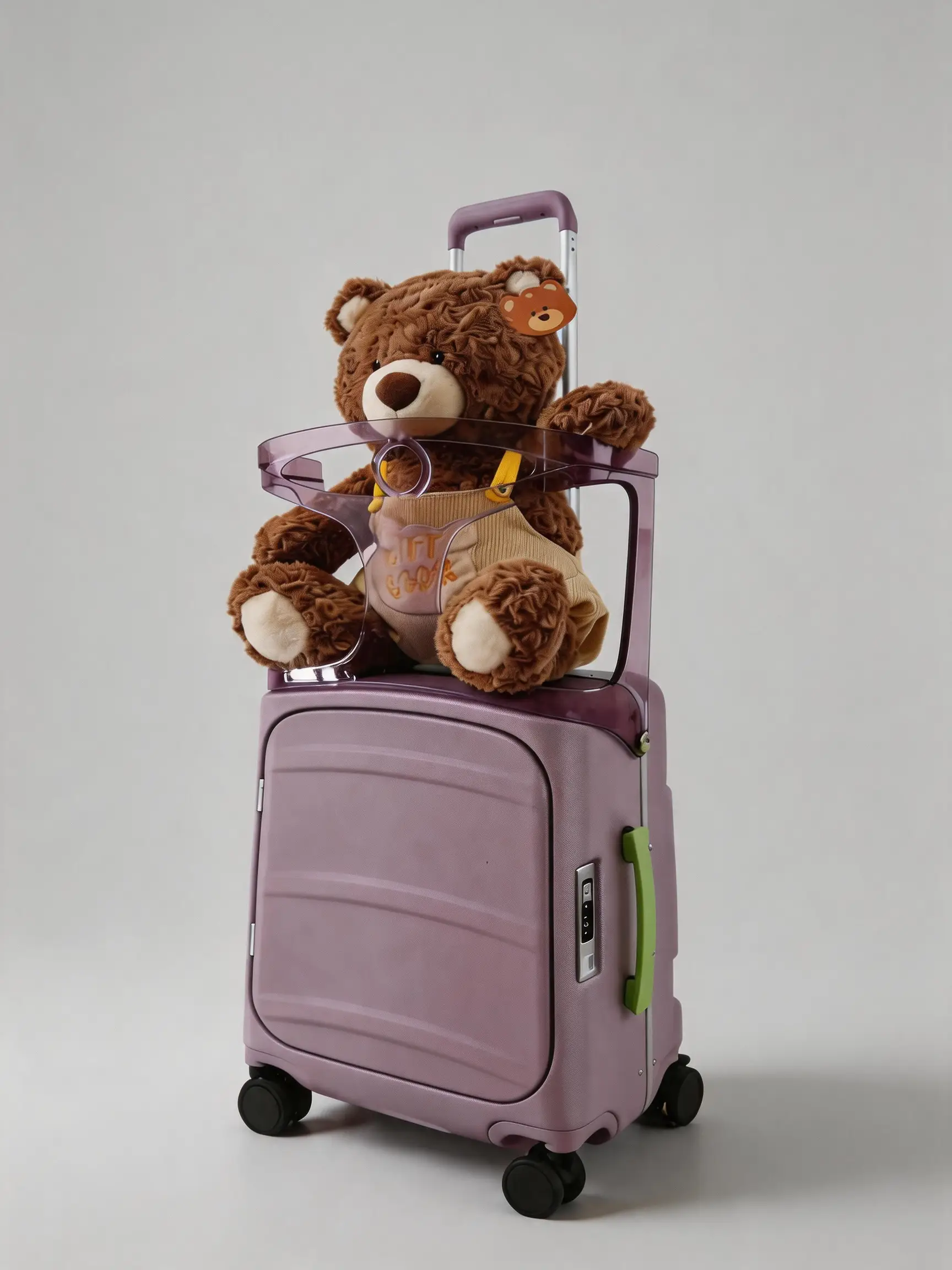
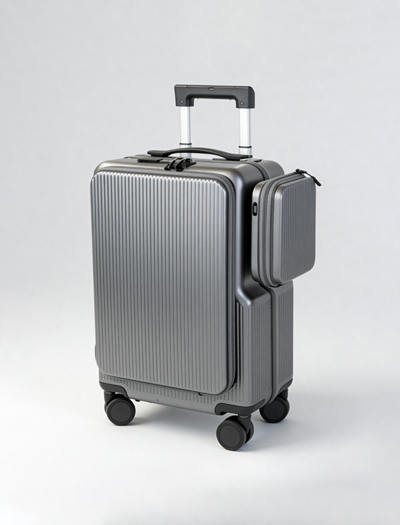
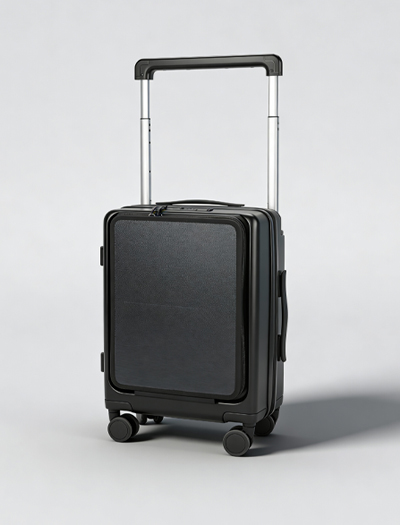
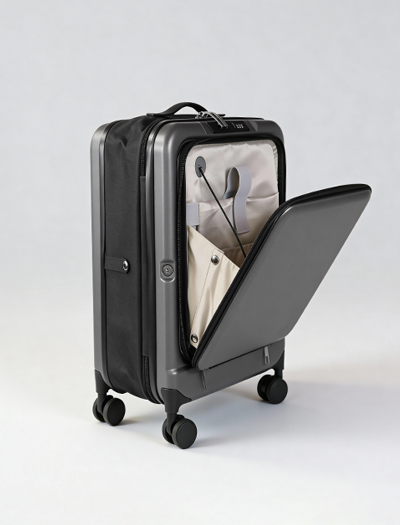
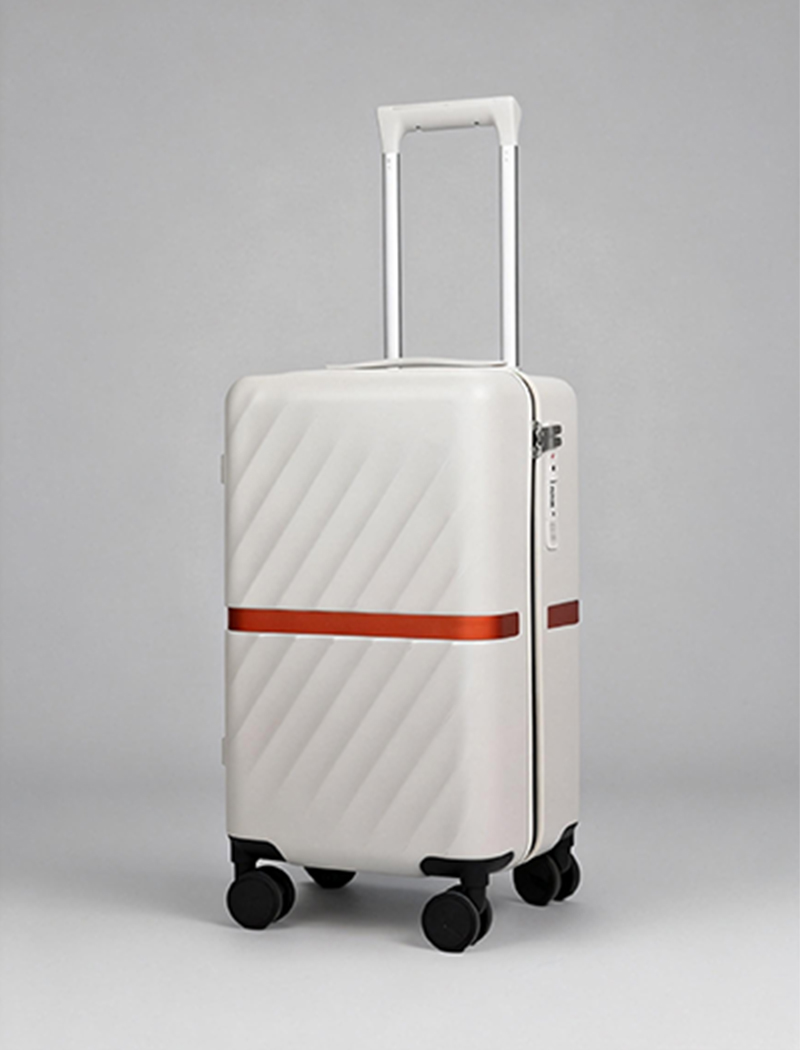
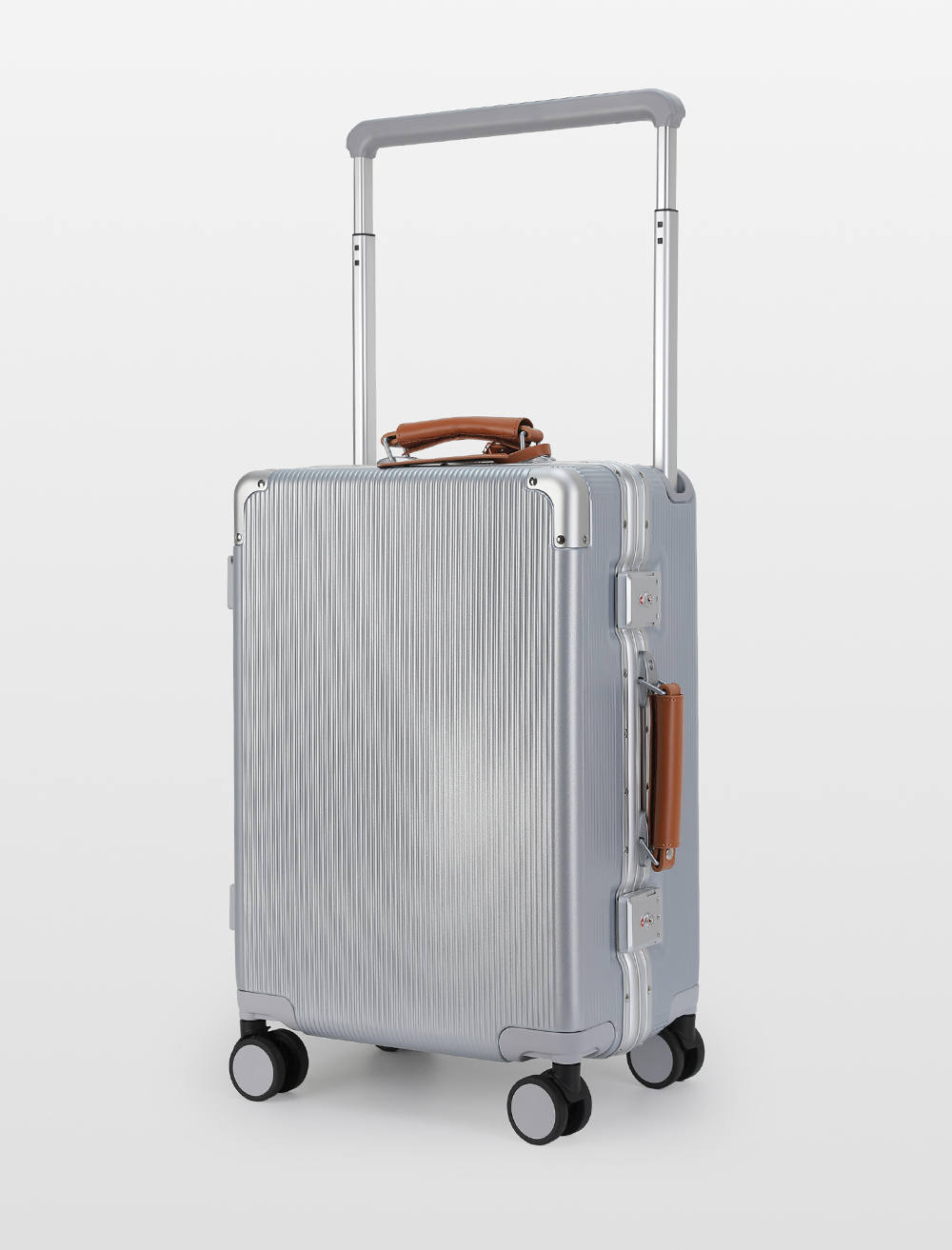
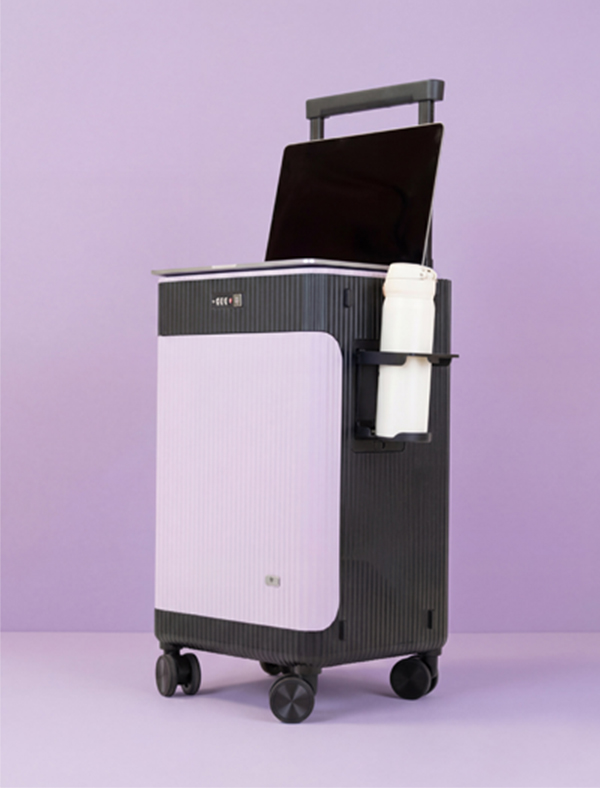
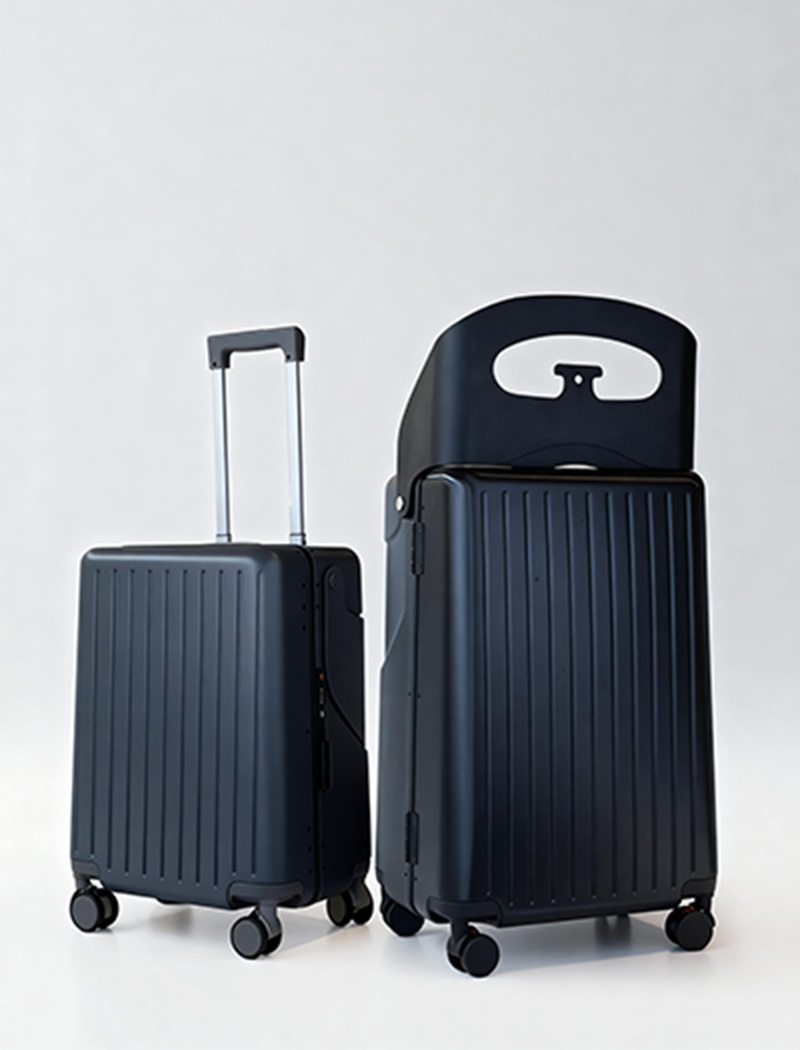
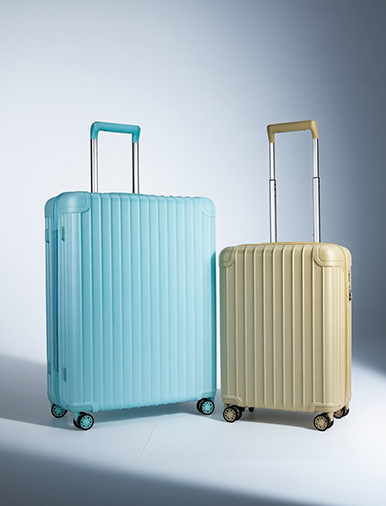
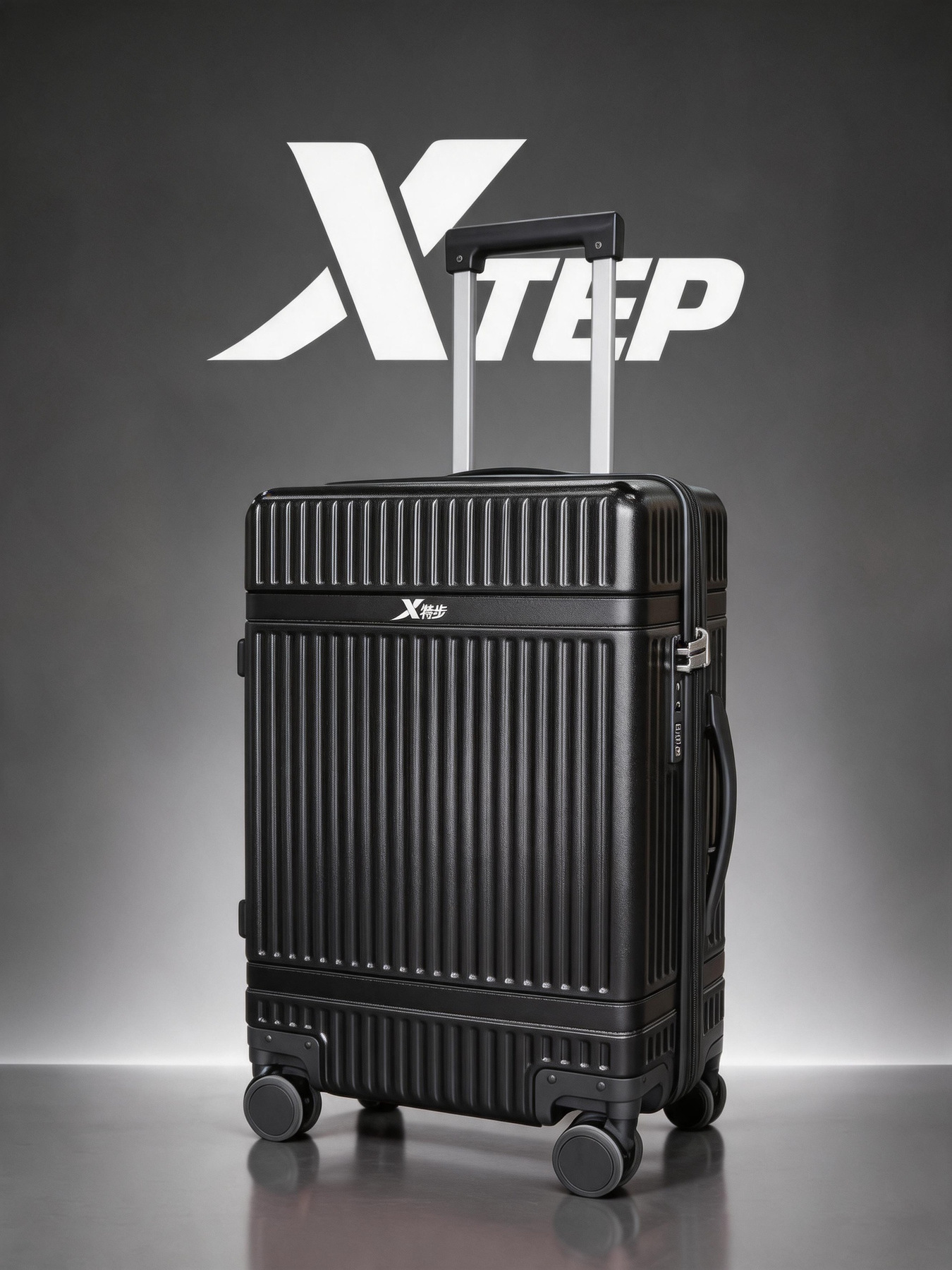
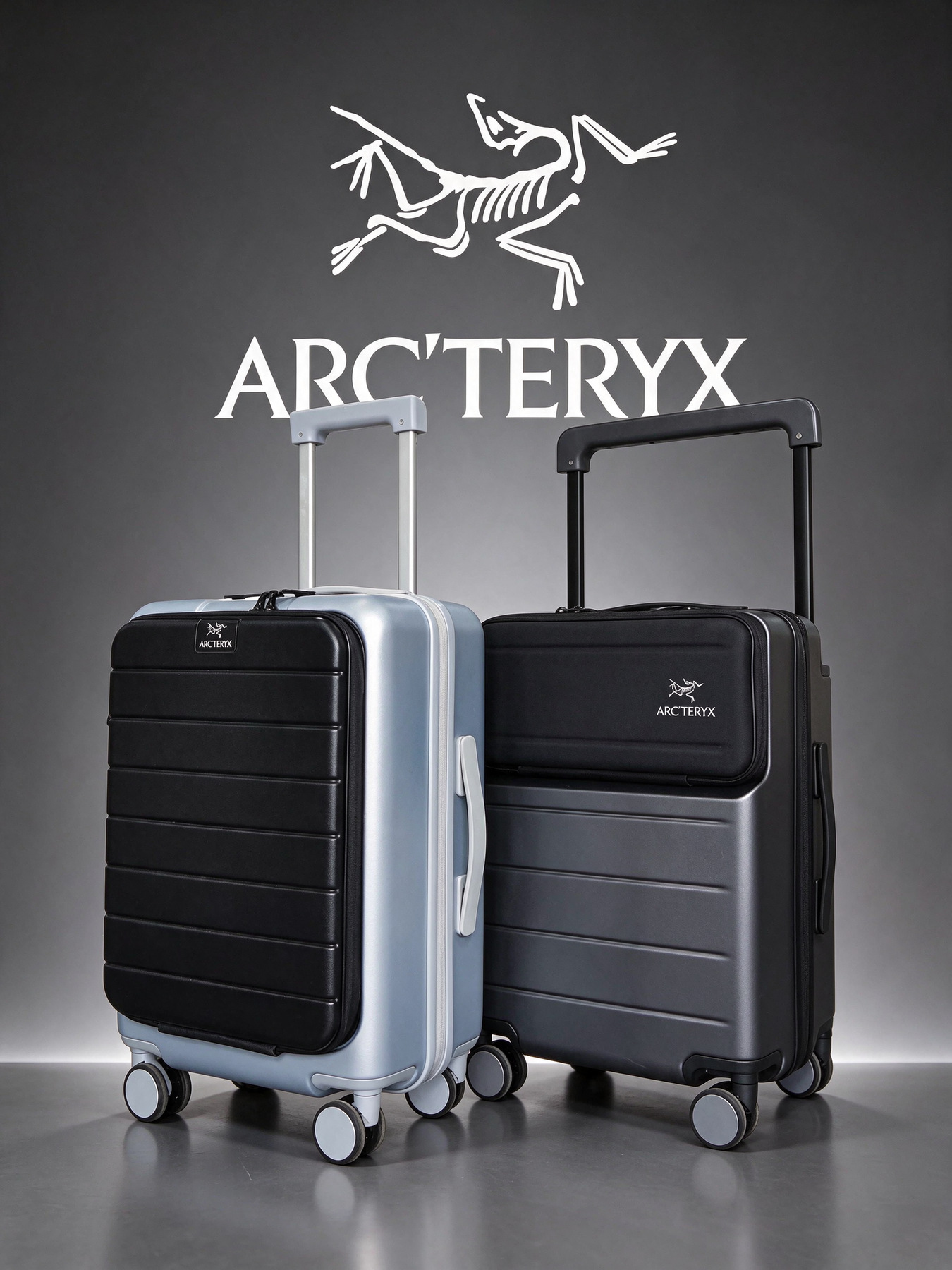
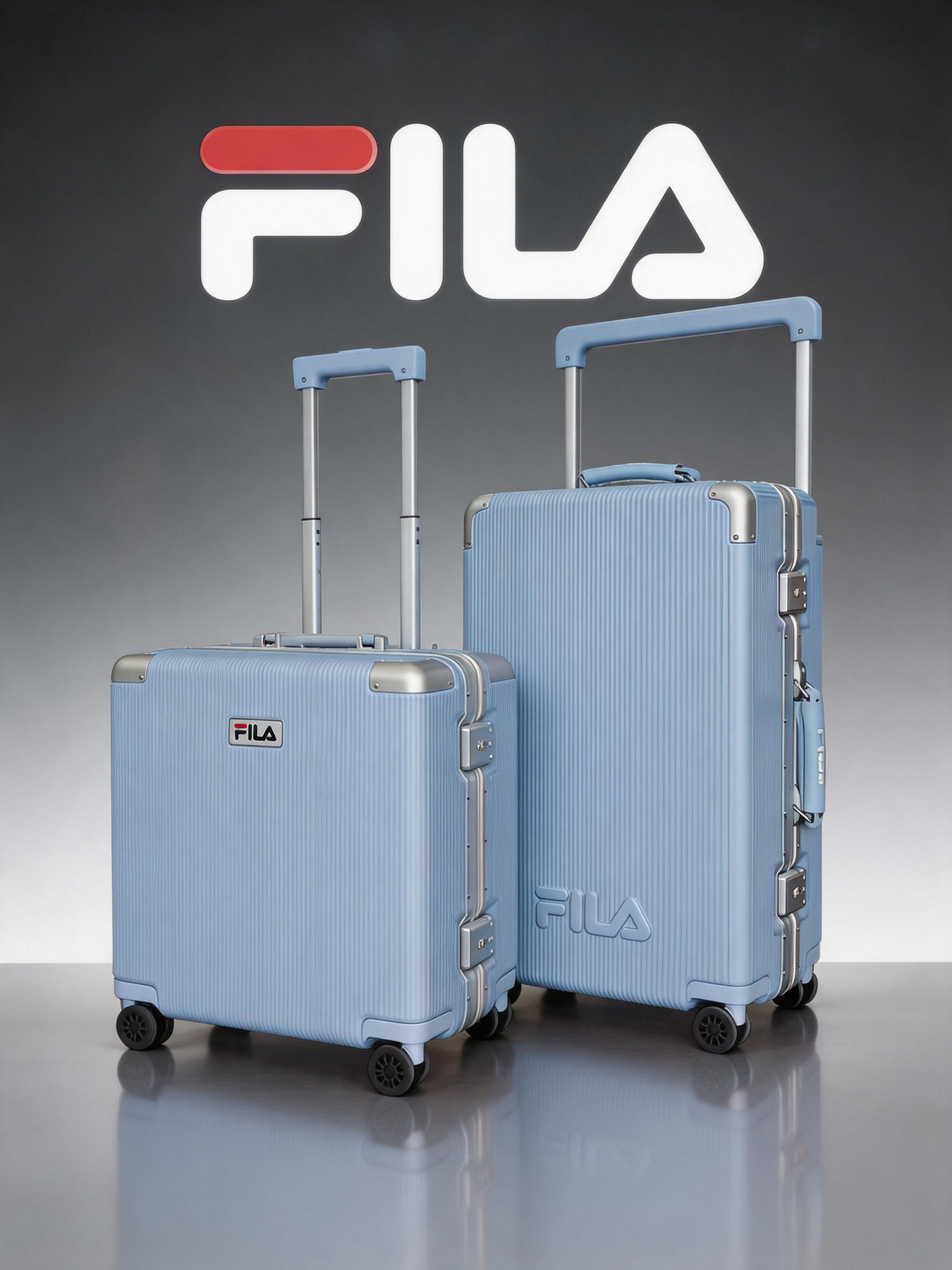
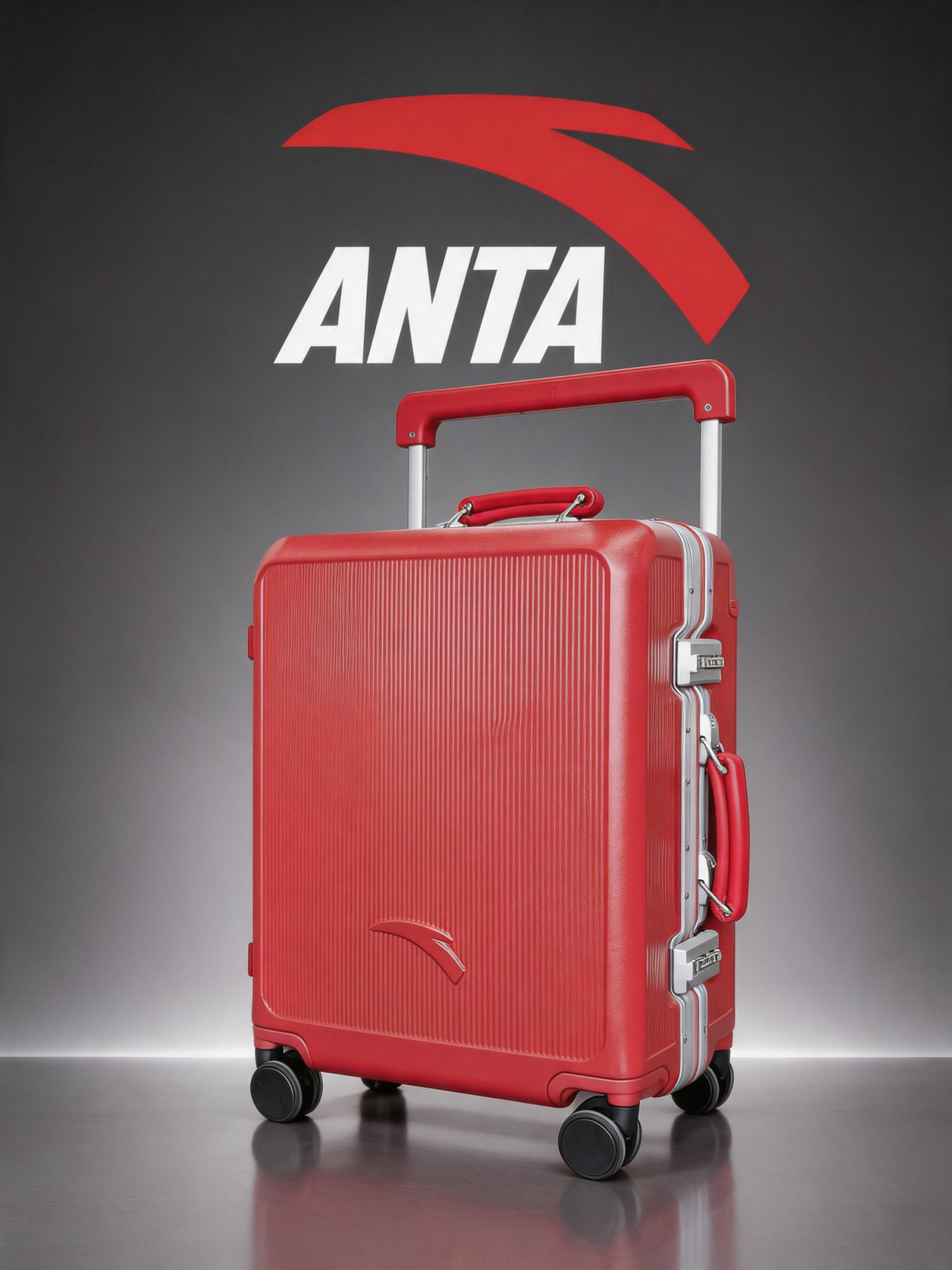
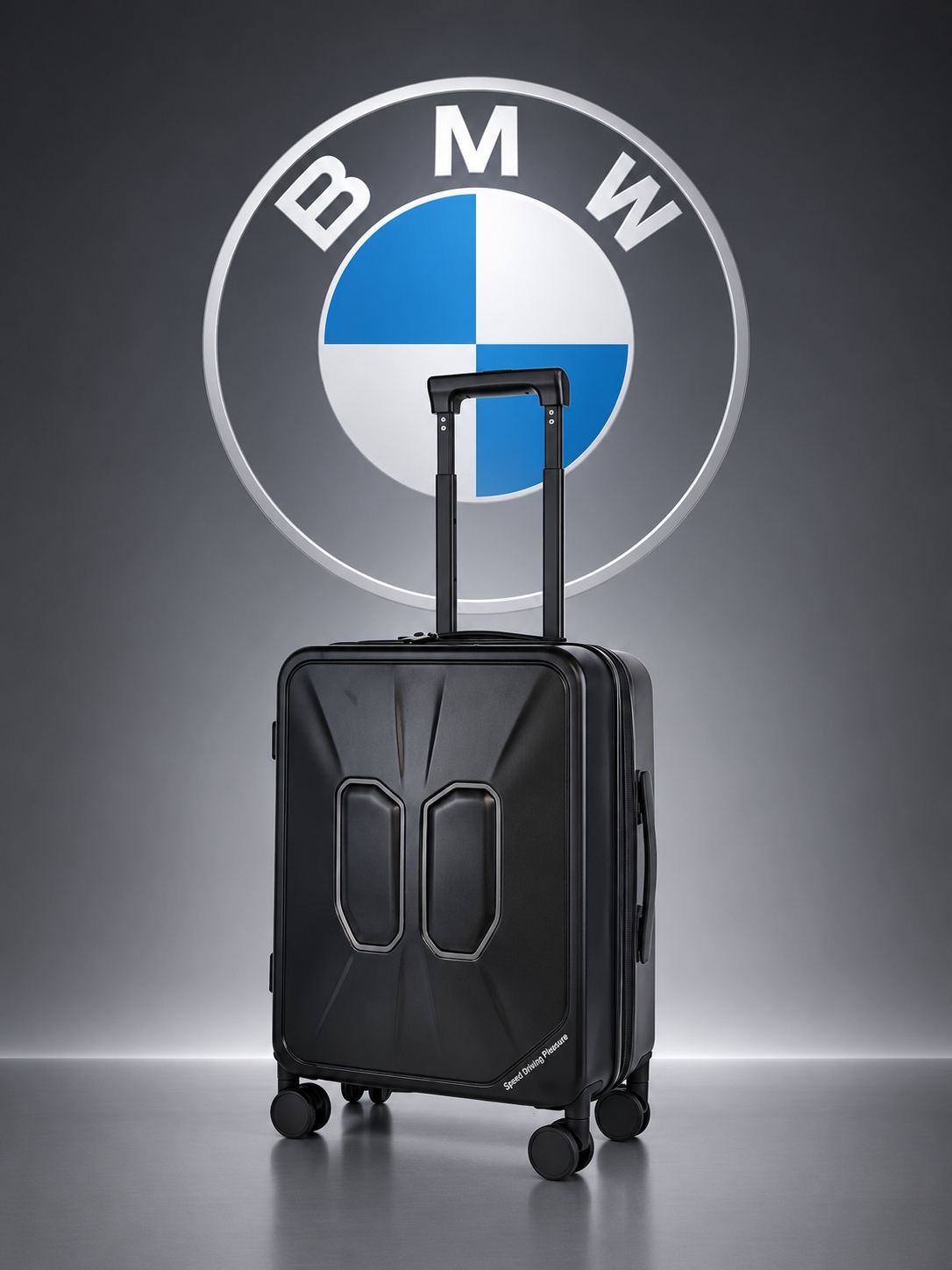
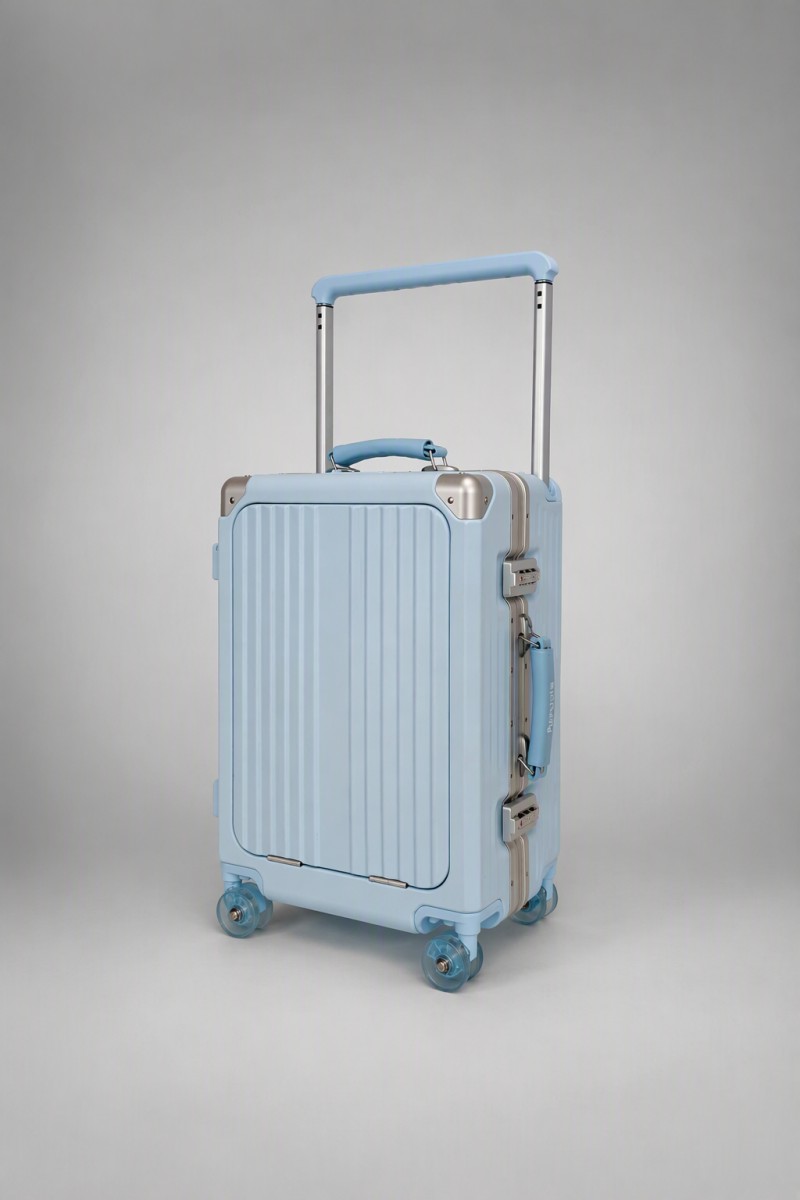
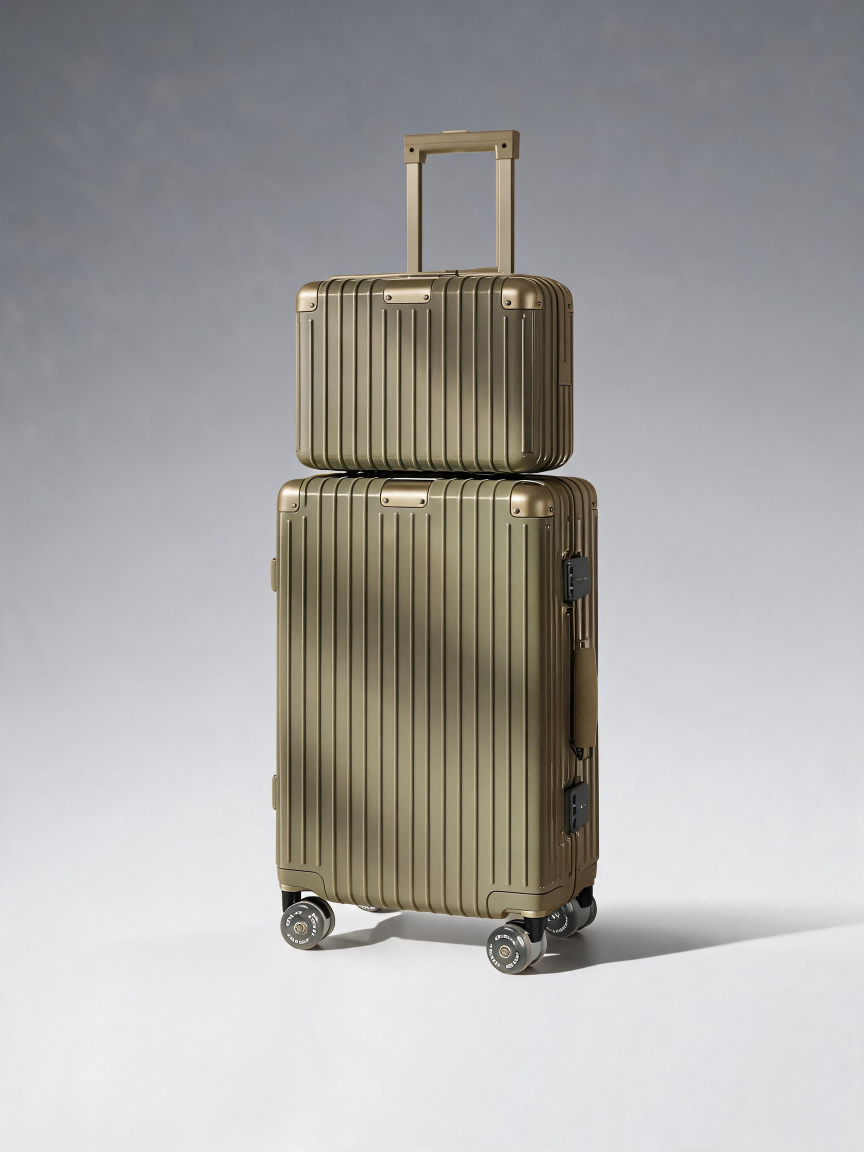
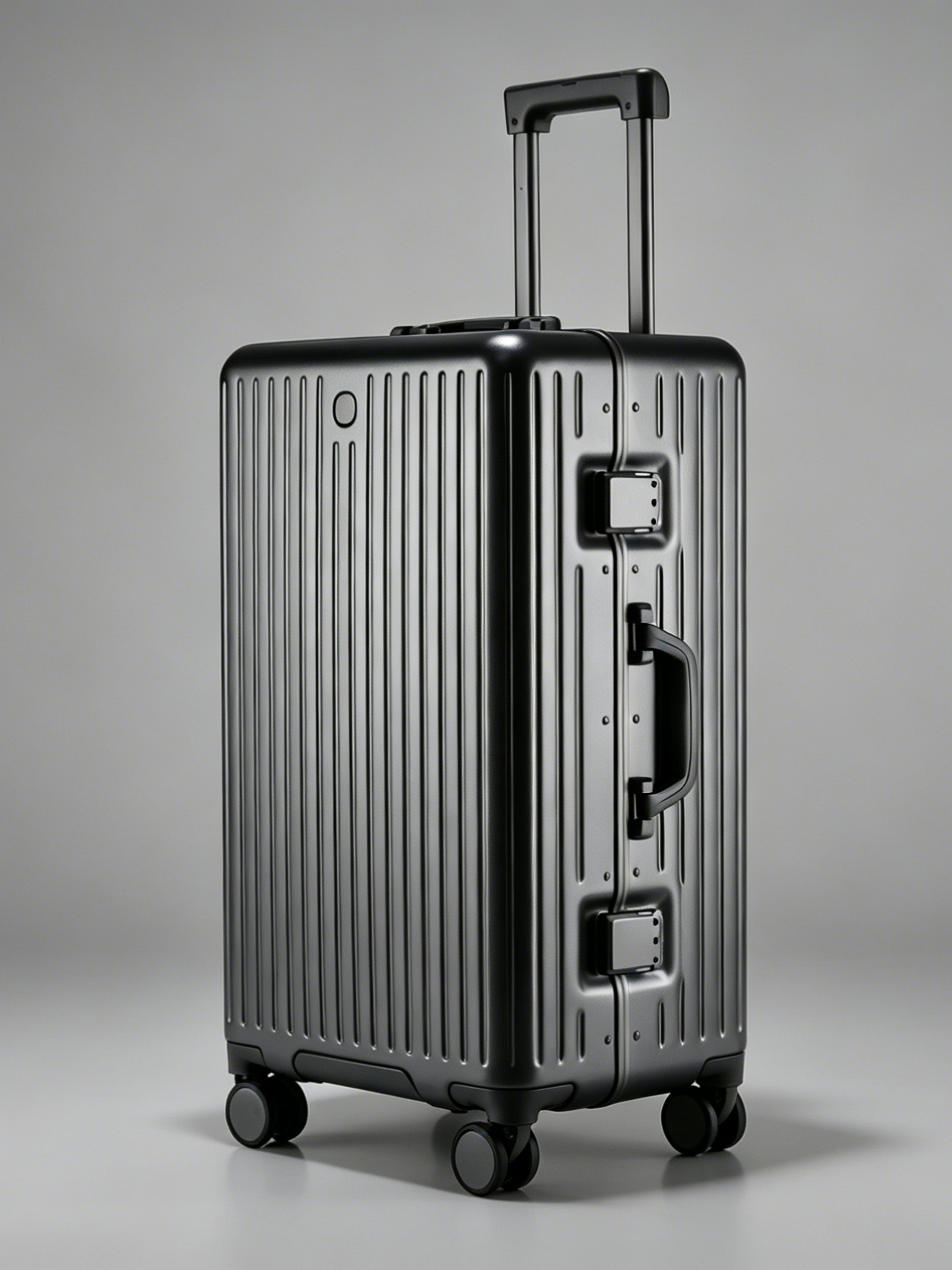
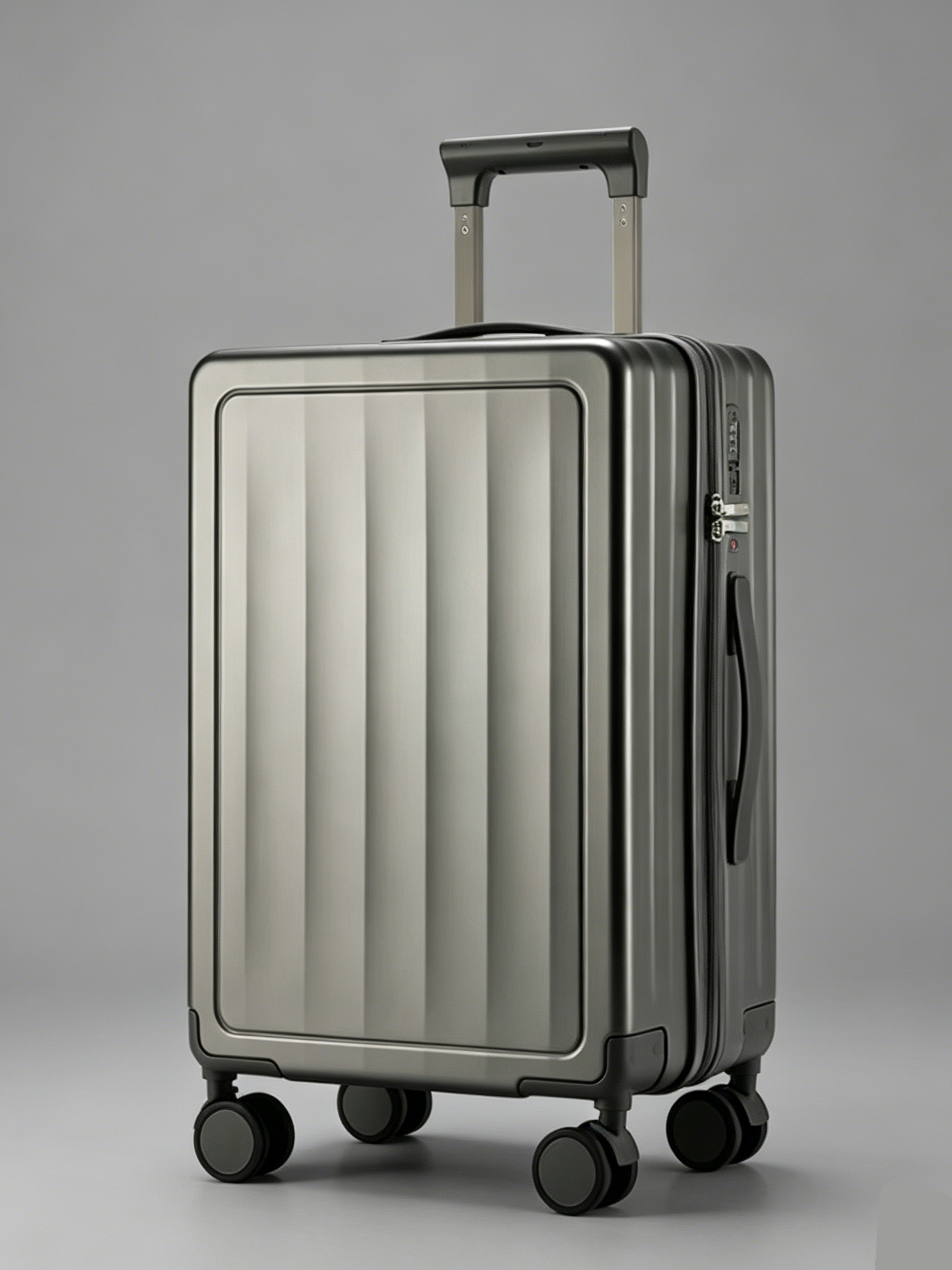
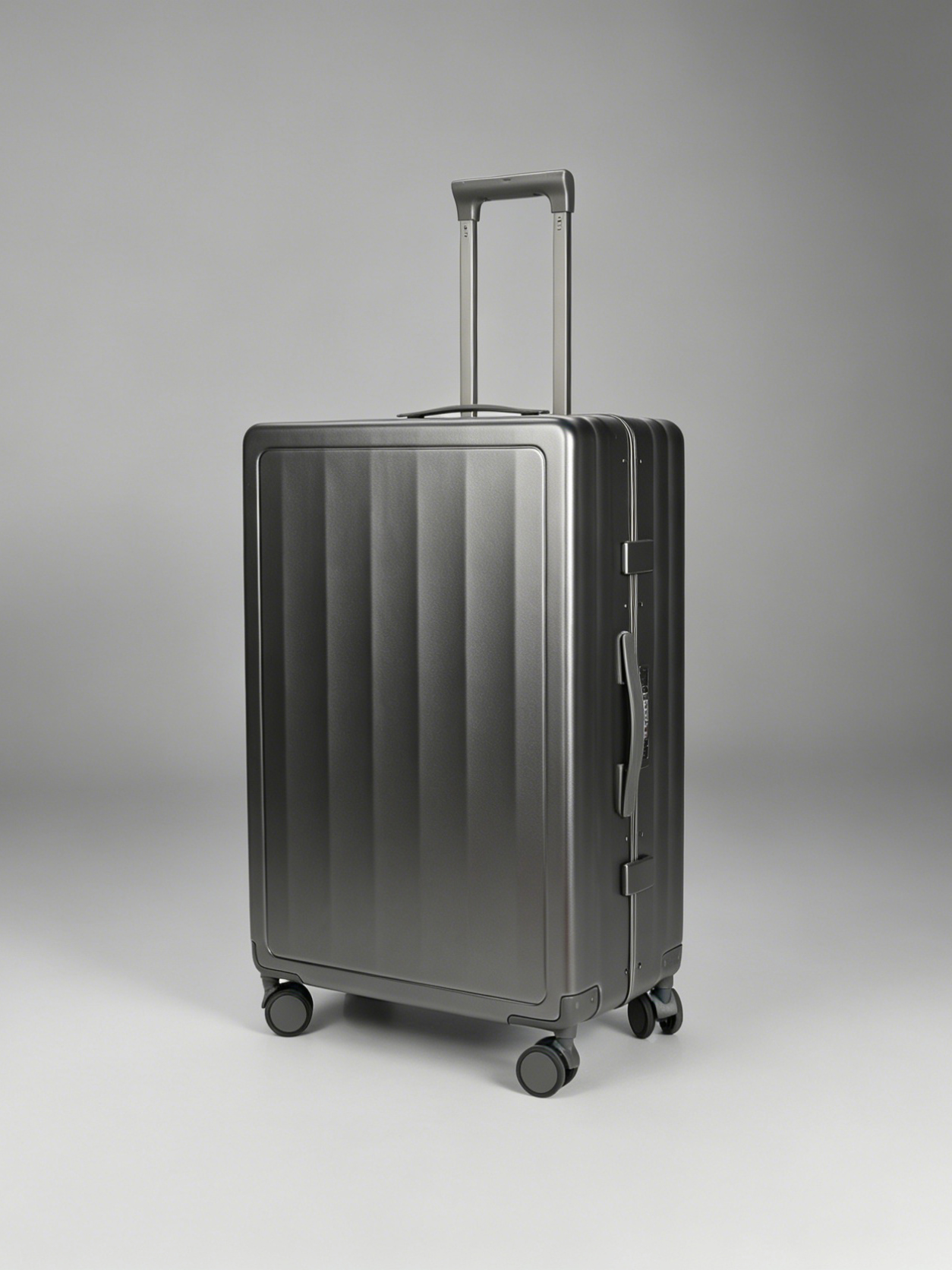
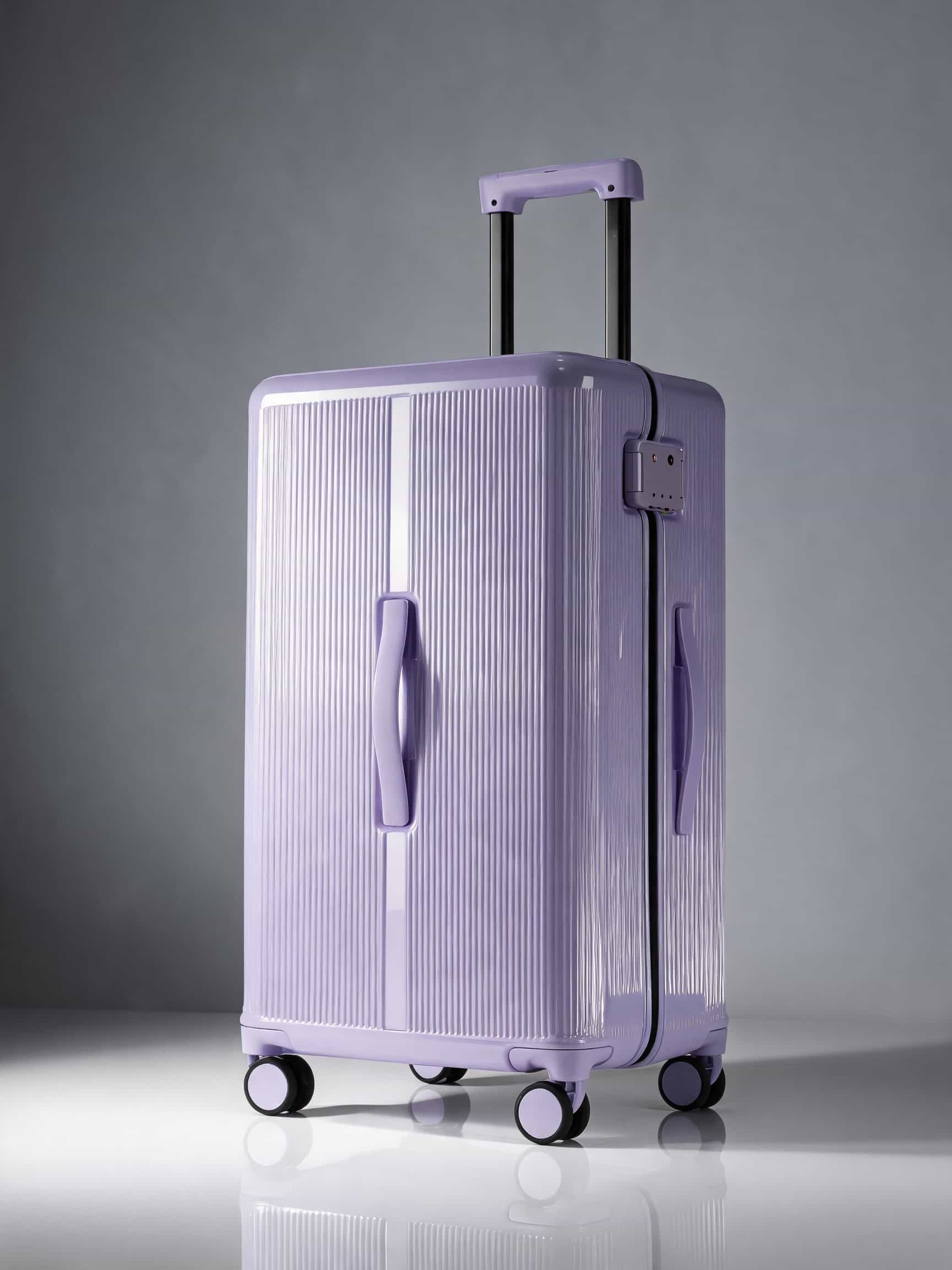
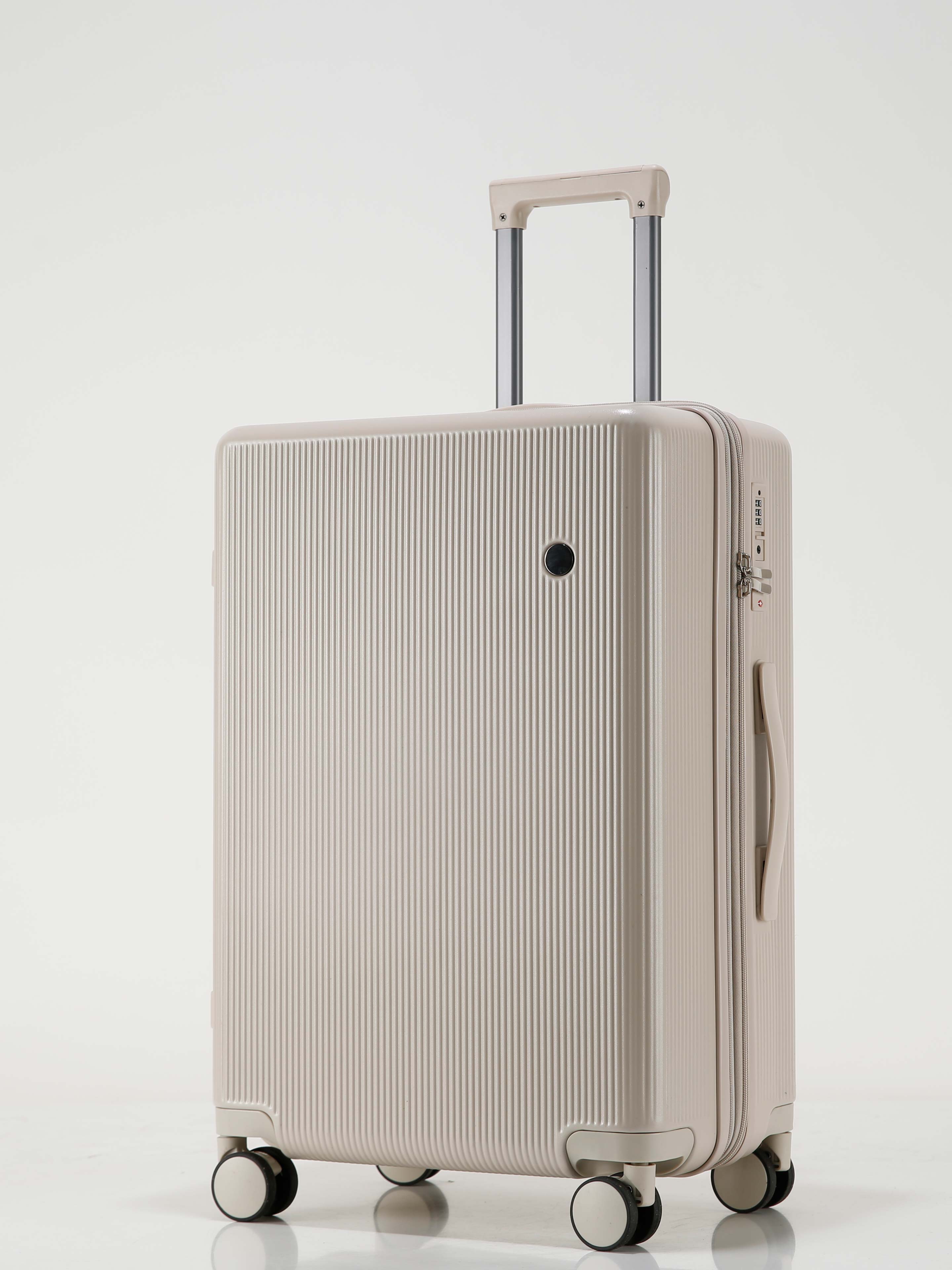
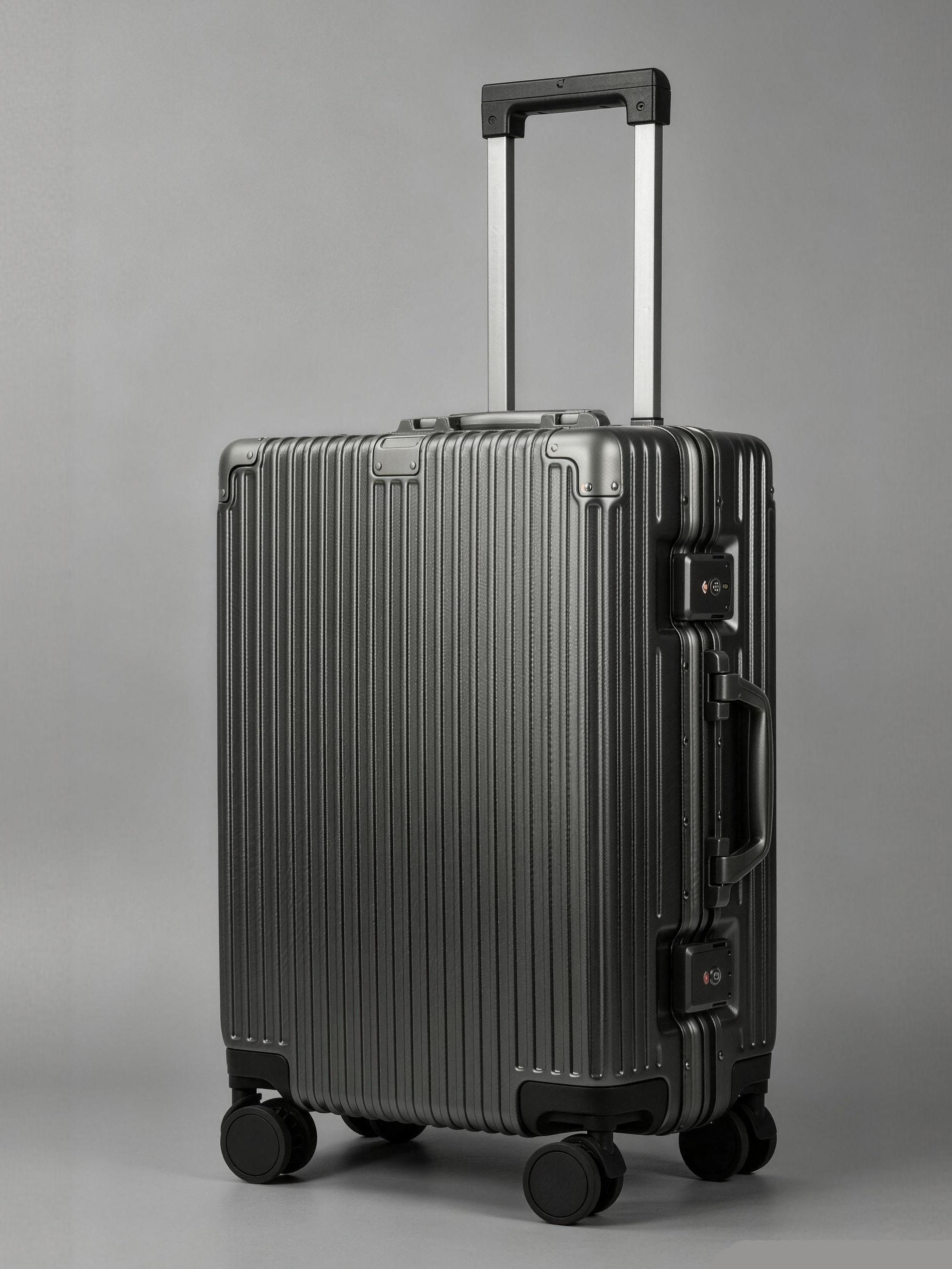
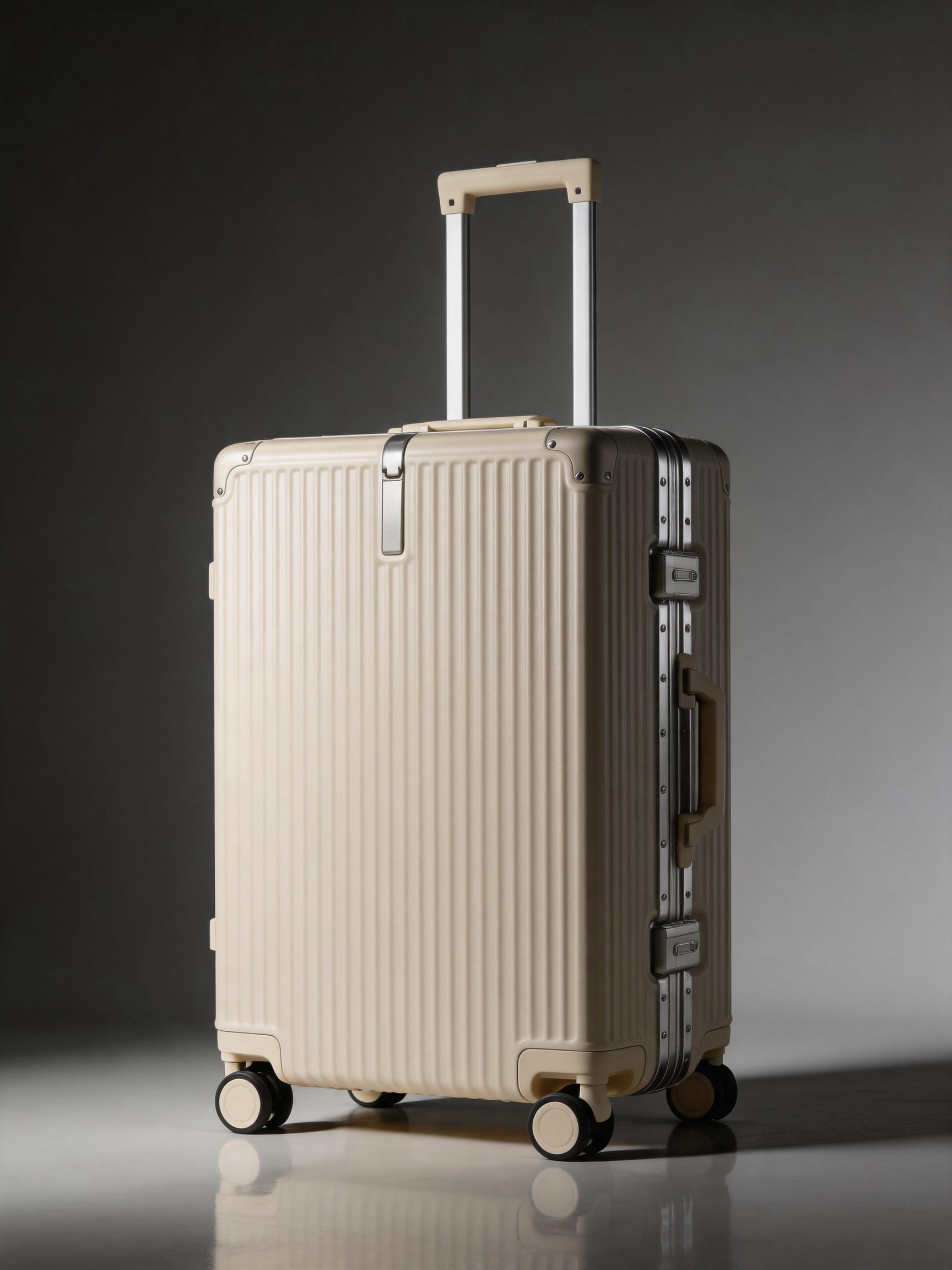
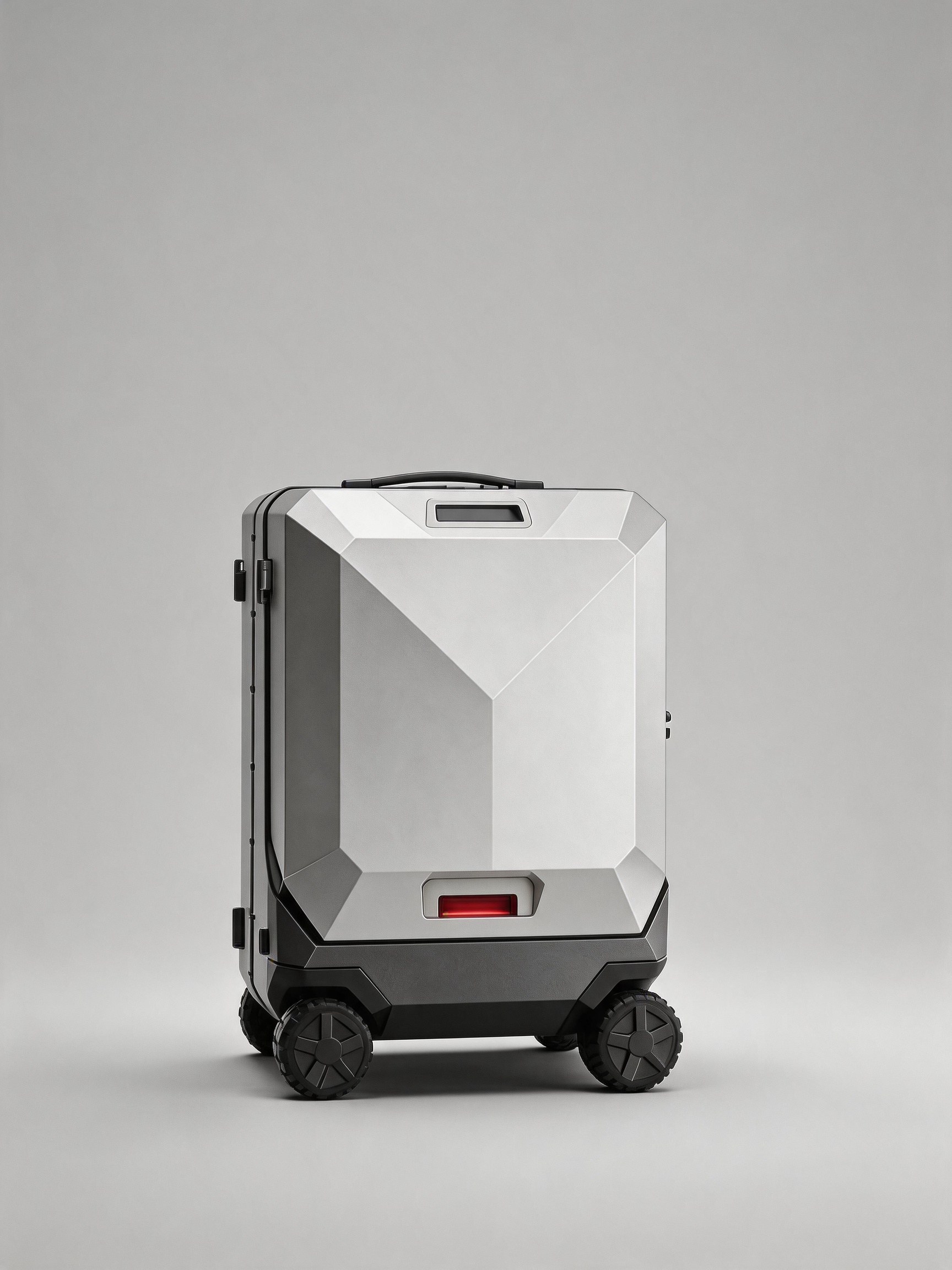
CLK polycarbonate luggage combines impact-resistant hard shells with configurable structures for carry-on, checked-luggage and suitcase-set programs. For brands and wholesale buyers concerned about shell cracking, excessive empty weight or inconsistent bulk production, each project can be specified around the target size, shell construction, closure, components and retail price point. Choose from zipper, aluminum-frame, front-opening and foldable PC luggage designs for business travel, leisure collections and private-label retail lines.
Impact-Resistant PC Shells: Polycarbonate can flex under impact and recover its shape, helping reduce the risk of brittle shell failure during baggage handling. Shell thickness, rib layout and finished-case weight should be confirmed for the selected model rather than judged by material name alone.
Structures for Different Market Positions: Select lightweight zipper constructions, more rigid aluminum-frame cases, convenient front-opening models or coordinated luggage sets. Carry-on and checked sizes can be developed around the handling, capacity and price requirements of your target market.
OEM/ODM Customization for Brand Programs: Customize shell colors, surface textures, film finishes, logos, trolley systems, wheel types, locks, lining and packaging. CLK's standard MOQ is 200 pieces per mode.
Choose Polycarbonate Luggage for Your Market
Choosing PC luggage requires a clear review of the complete product specification rather than relying only on the polycarbonate shell label. Compare shell construction, finished suitcase weight, zipper or aluminum frame closure, wheels, trolley system and test requirements based on your target market, price range and intended travel use. During sampling, confirm the required materials, components and dimensions, then record the approved details in the specification sheet for bulk production.
Compare Shell, Structure and Components
| Selection point | What to consider |
|---|---|
| PC material specification | Confirm whether the shell is pure PC, a multilayer construction or a PC+ABS blend. Material naming alone does not confirm the finished case's impact performance. |
| Size and finished weight | Review external dimensions, including wheels and handles, together with the net weight of the complete suitcase. Check carry-on models against the requirements of the target airlines. |
| Shell thickness and structure | Compare wall-thickness control, corner design and reinforcement ribs. These details influence how the shell responds to loading, drops and repeated handling. |
| Zipper or aluminum frame | Zipper construction can reduce weight and cost and may support expansion. An aluminum frame provides a more rigid, structured opening but can increase weight and price. |
| Wheels, trolley and lock | Confirm wheel material, wheel mounting, trolley stability, handle comfort and lock configuration. Test complete samples rather than evaluating components only from photographs. |
| Surface finish and color | Matte, gloss, textured and film-coated finishes create different brand looks and make scuffs or scratches more or less visible. Confirm color standards and finish samples before production. |
| Testing and bulk consistency | Define the required drop, wheel-running, handle, lock and loading checks for the actual model. The approved sample and specification sheet should be used as the production reference. |
Polycarbonate Luggage FAQs
Q1. Is polycarbonate luggage better than ABS luggage?
A: Polycarbonate is generally selected when impact performance and a higher market position are priorities. ABS is commonly used for more price-sensitive programs. The better option depends on the shell thickness, case structure, components, finished weight, target price and required testing.
Q2. Is pure PC luggage always lighter than PC+ABS luggage?
A: No. Finished weight also depends on the suitcase size, shell thickness, closure, frame, trolley, wheels, lining and internal organization. Compare the net weight of the actual samples instead of assuming that one material label will always produce a lighter suitcase.
Q3. Is PC luggage suitable for both carry-on and checked sizes?
A: Yes. PC shells can be used for carry-on cases, medium and large checked luggage, and coordinated luggage sets. For carry-on projects, confirm the complete external dimensions, including wheels and handles, against the target airlines' limits. For checked luggage, pay closer attention to corner structure, wheel mounting and handling tests.
Q4. Can polycarbonate luggage use an aluminum frame?
A: Yes. CLK offers PC luggage with zipper and aluminum-frame constructions. Zipper cases are generally selected for lower weight, expansion options and cost control, while aluminum-frame cases provide a more rigid opening and a more structured appearance.
Q5. What can be customized on CLK PC luggage?
A: Available options include shell color, surface finish, logo application, trolley system, wheel type, lock, lining, internal organization and packaging. Existing models are suitable for faster private-label development, while more extensive ODM changes should be reviewed for tooling, MOQ, sampling time and cost.
Q6. What information should I provide for a PC luggage quotation?
A: Share the preferred model, sizes, order quantity, destination market and target price level. Include the required shell construction, closure, colors, logo artwork, wheels, lock, lining, packaging and any testing or weight requirements so CLK can confirm the specification and sampling plan.
Reference Luggage
- PC Luggage with Aluminum Frame
- Foldable PC Suitcase
- PC Carry-On with Transparent Wheels and Lock
- PC Luggage Set
Buying Guides
About Our Products
-
Regularly Updated Designs
We introduce new styles and functional upgrades every season to keep your offerings fresh and competitive.
-
Rigorous Quality Control
Every suitcase is tested for durability, functionality, and finish to meet the highest industry standards.
-
Full Customization Support
Extensive ODM/OEM options for logo, colors, materials, and structures to create your unique brand identity.
-
Transparent Cooperation
Clear policies on MOQ, sampling, and lead time designed for smooth and successful partnerships.
33,000 m2 factory, 4,800 pieces per day, 99% on-time delivery and MOQ 200 — see all factory facts and certificates.