
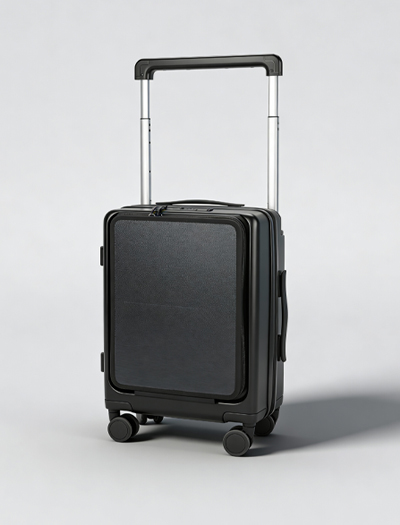
Wide trolley luggage
Wide trolley luggage — what makes the wide-handle design different
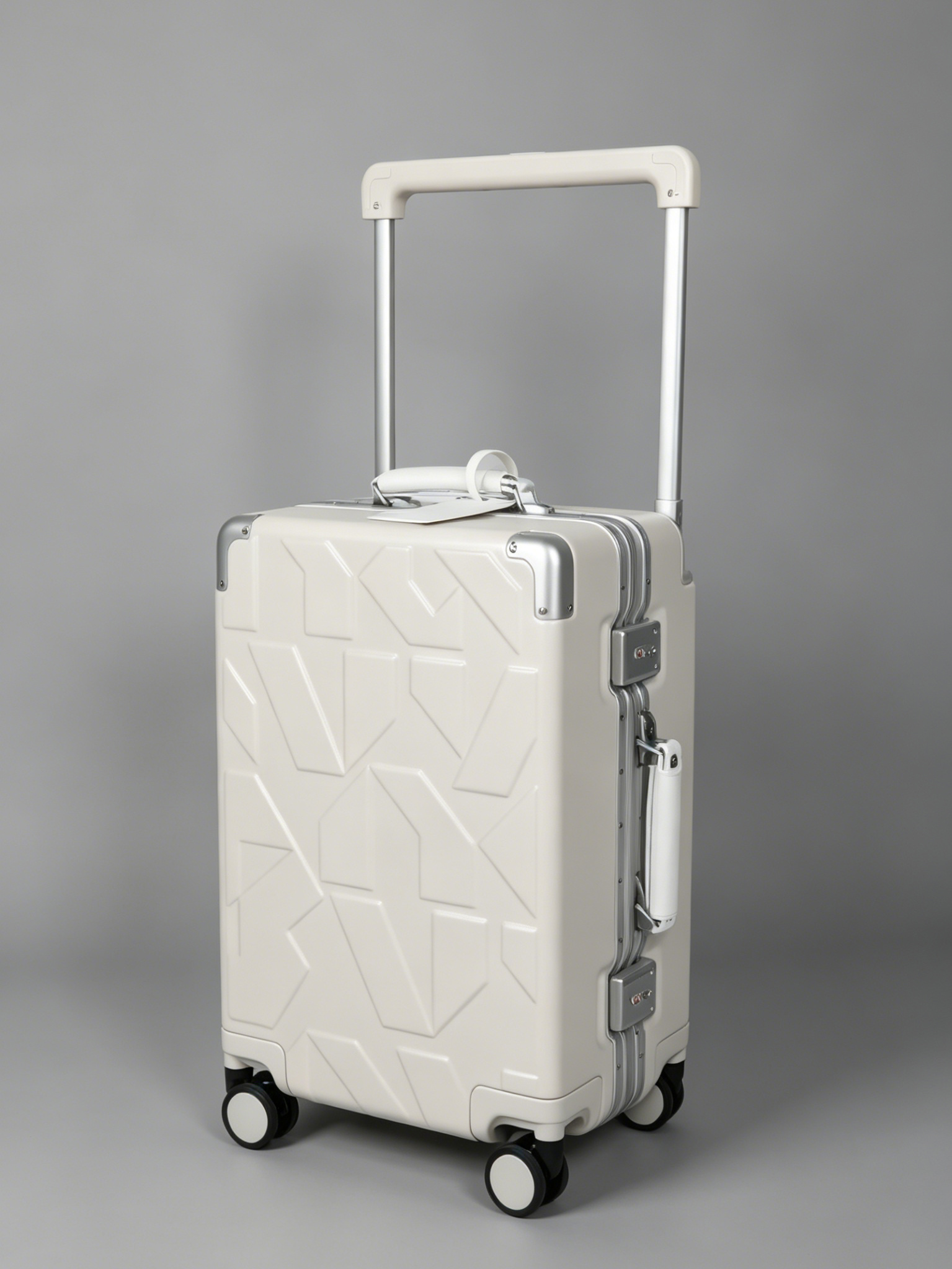
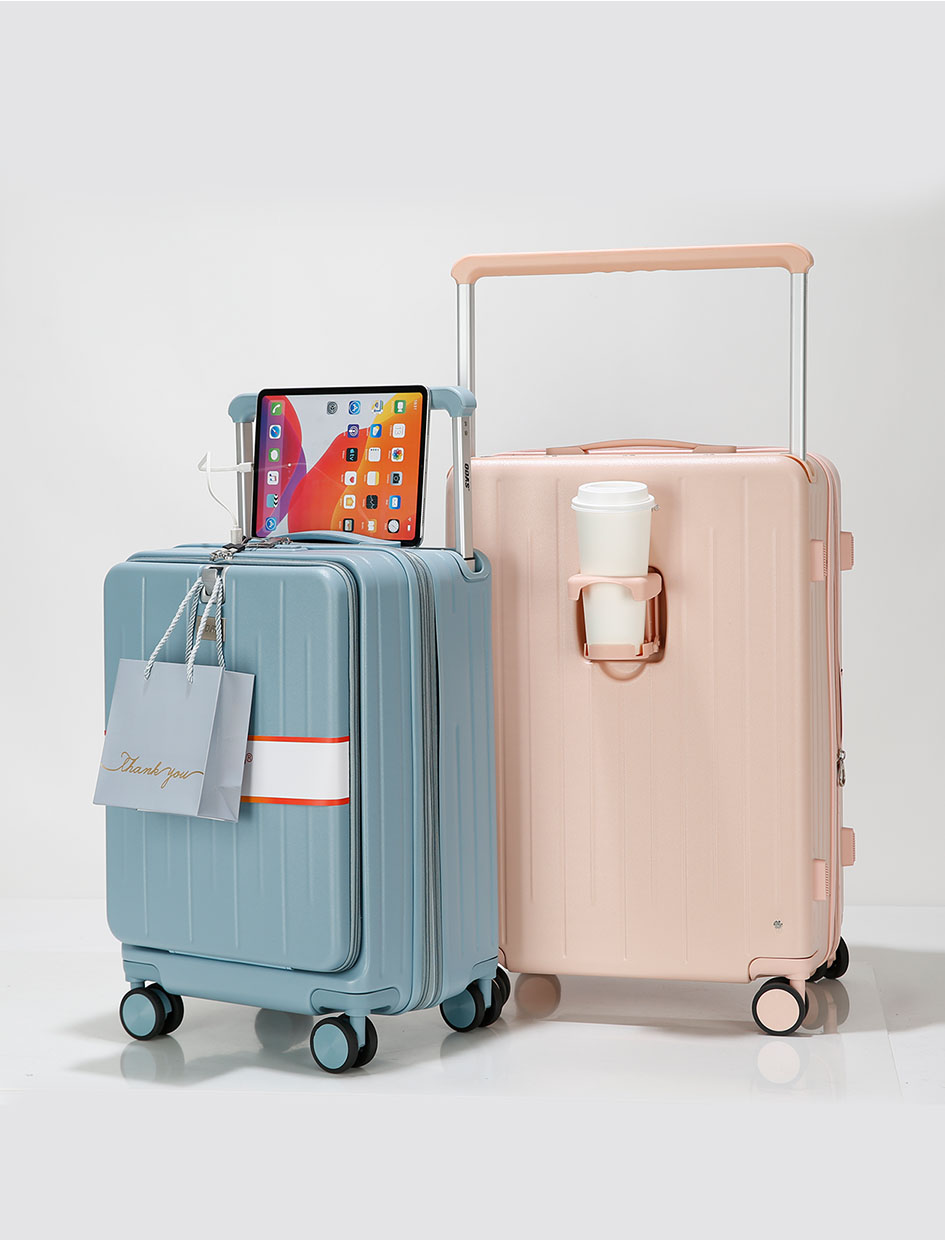
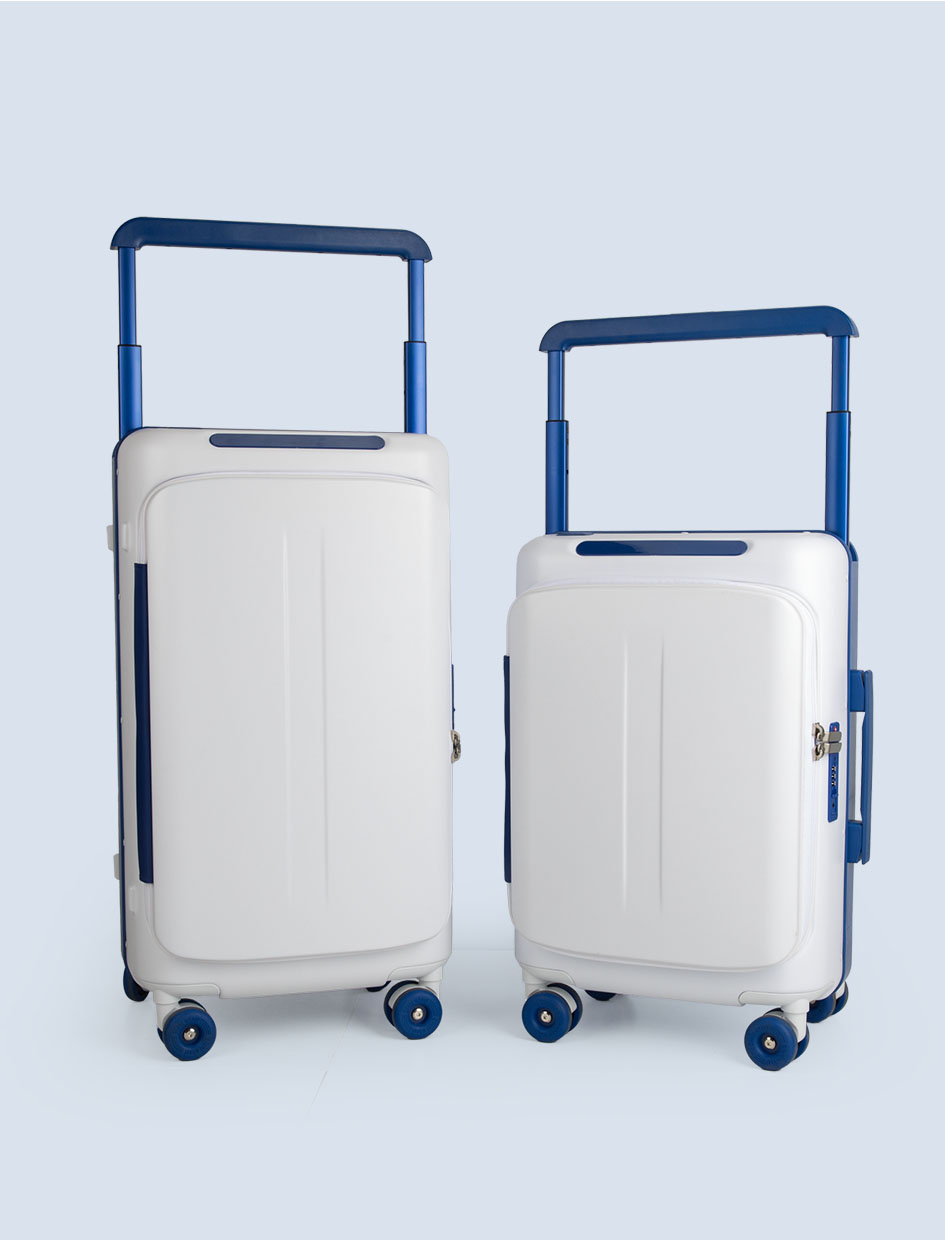
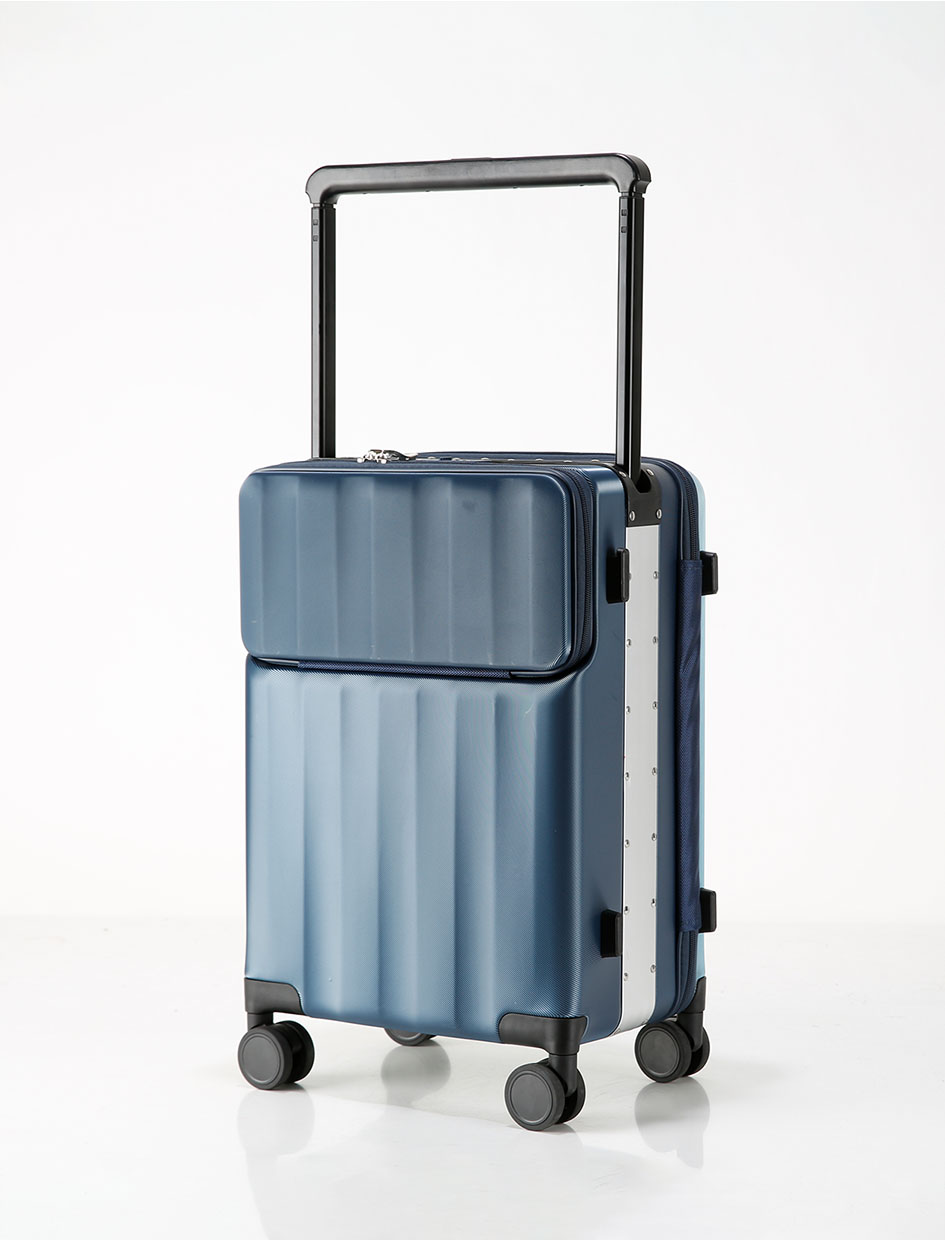
Wide trolley luggage is built around a two-rail trolley system whose rails are set wider than a standard telescopic handle. The wider stance spreads the load between two reinforced aluminum rails, which reduces handle wobble and lets the case track straighter when pushed or pulled through airports, stations and hotel corridors.
Why buyers choose wide-trolley construction
- Stability under load: with the rails spaced wider, a fully packed case is less likely to twist; the handle feels firm even when the shell is heavy.
- Better weight transfer: the wider rail geometry keeps the center of gravity lower relative to the grip, which helps on carpeted floors and ramp edges.
- Durability of the carry system: wide-rail cases usually mount the trolley with stronger brackets — the handle is the most repaired part of luggage, so this is a genuine quality signal.
Key configuration points when sourcing
- Rail material: full-aluminum rails (about 1.0 mm tube wall on CLK reference models) keep the handle light and corrosion-free.
- Wheel pairing: wide-trolley cases pair well with 360° spinner wheels; TPE silent wheels cut terminal noise, and brake options help on public transport.
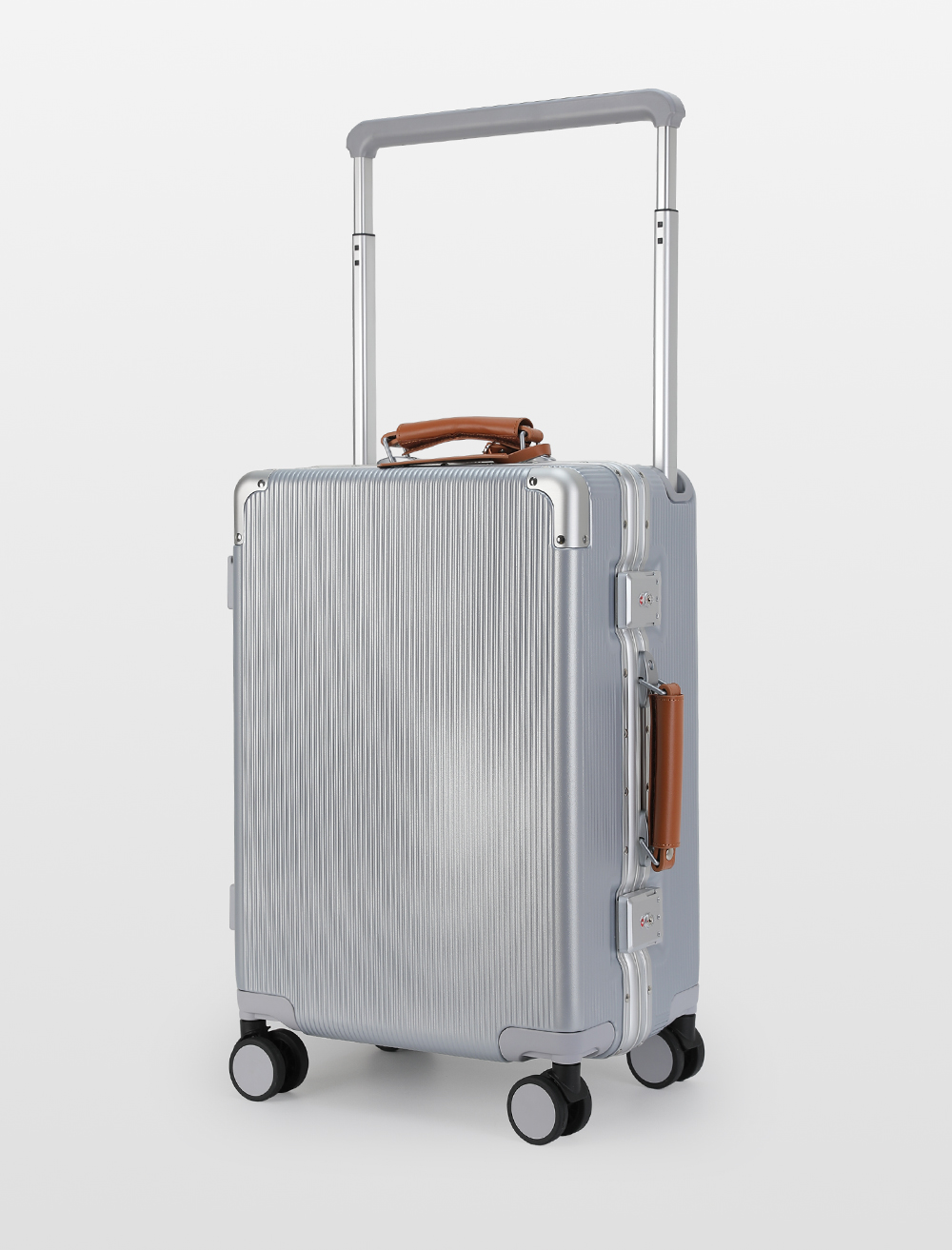
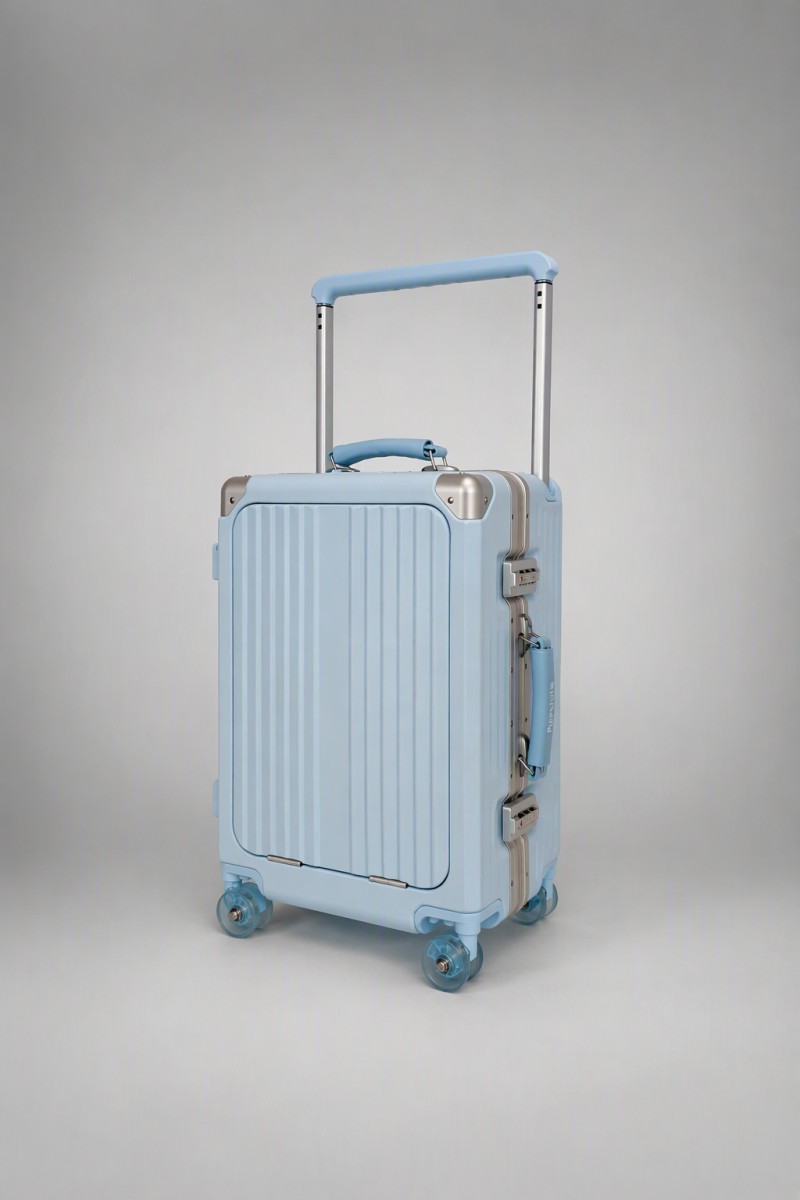
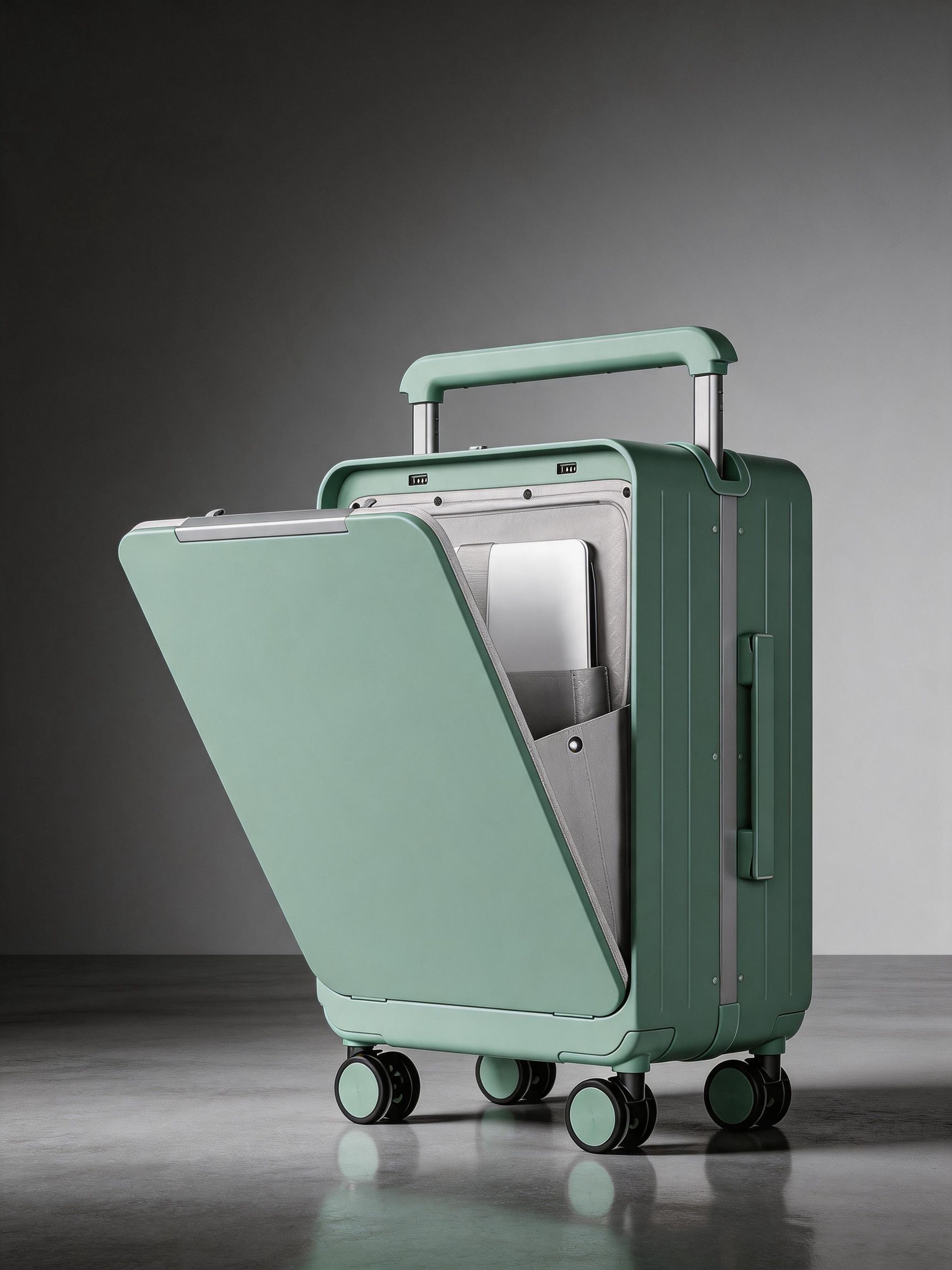
- Closure choice: the wide-trolley platform is produced with zipper, aluminum-frame and front-opening closures, so you can keep one carry system across several shell types.
- Size range: from 20-inch cabin sizes to 26/28-inch check-in models; confirm the set ladder you want before sampling.
CLK's wide-trolley range includes the PVC wide-trolley 20″ (KLW009), front-opening models such as front-open wide-trolley 1402 and front-opening wide-pull-rod 1502, the aluminum-frame PC version, and set programs like wide-trolley luggage set.
Related reading
FAQ
Is a wide trolley more stable than a standard handle?
Generally yes — the wider rail stance reduces lateral play and twisting, which is why it is preferred for larger and heavier cases.
Is wide-trolley luggage heavier?
The two-rail system adds a small amount of weight versus a single telescopic handle. On cabin sizes the difference is marginal; on check-in sizes the stability gain outweighs it.
Can we mix wide-trolley with other closures?
Yes — CLK builds the wide-trolley carry system with zipper, aluminum-frame, front-opening and set configurations, so one brand line can span multiple shell types.
What MOQ and sampling apply?
MOQ is 200 pieces per model with mixed-model container support; samples are typically ready in 5–7 days with OEM/ODM branding.
Quality checks to run before sampling
- Trolley: extend and retract the handle repeatedly and check lateral play at full extension — wide-rail cases should feel firm with no side wobble.
- Wheels: roll on carpet and tile; listen for noise (TPE silent wheels are noticeably quieter) and confirm any brake engages firmly.
- Locks: on TSA models, check that both latch points align, the lock cycles smoothly, and customs inspection (key override) works.
- Edges: inspect corner guards on frame models and the zipper track run on zipper models — these are the two most common failure zones in the field.
Sizing your first program
A common starting ladder is 20-inch cabin, 24-inch short trip and 28-inch check-in — but match the sizes to your target airlines and to how your buyers sell (single units vs. sets). CLK can mix cabin and check-in models in one container, so you can test demand on two size points without committing to a full ladder.



About Our Products
-
Regularly Updated Designs
We introduce new styles and functional upgrades every season to keep your offerings fresh and competitive.
-
Rigorous Quality Control
Every suitcase is tested for durability, functionality, and finish to meet the highest industry standards.
-
Full Customization Support
Extensive ODM/OEM options for logo, colors, materials, and structures to create your unique brand identity.
-
Transparent Cooperation
Clear policies on MOQ, sampling, and lead time designed for smooth and successful partnerships.