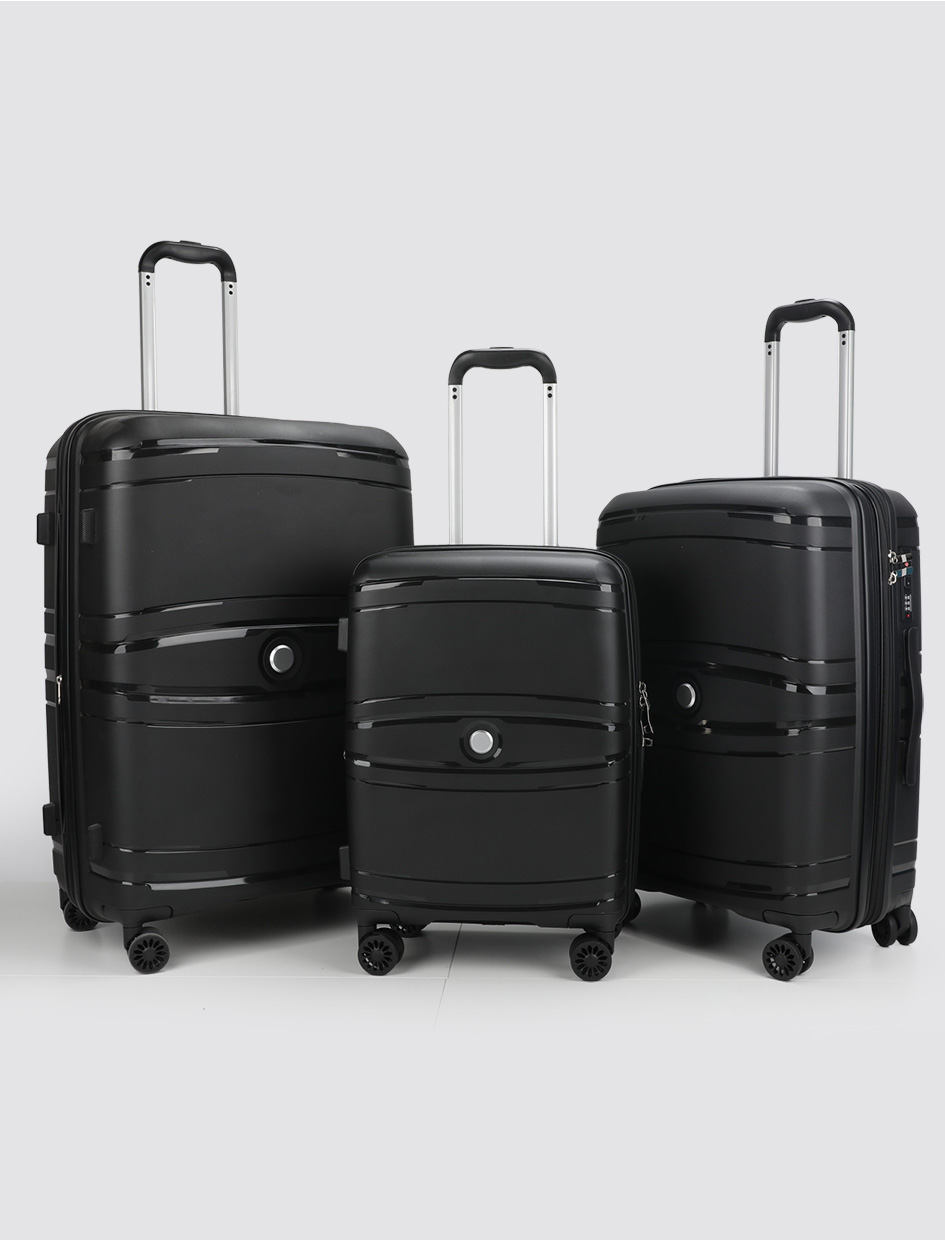
PP(Polypropylene) luggage
Polypropylene shells: what they do differently
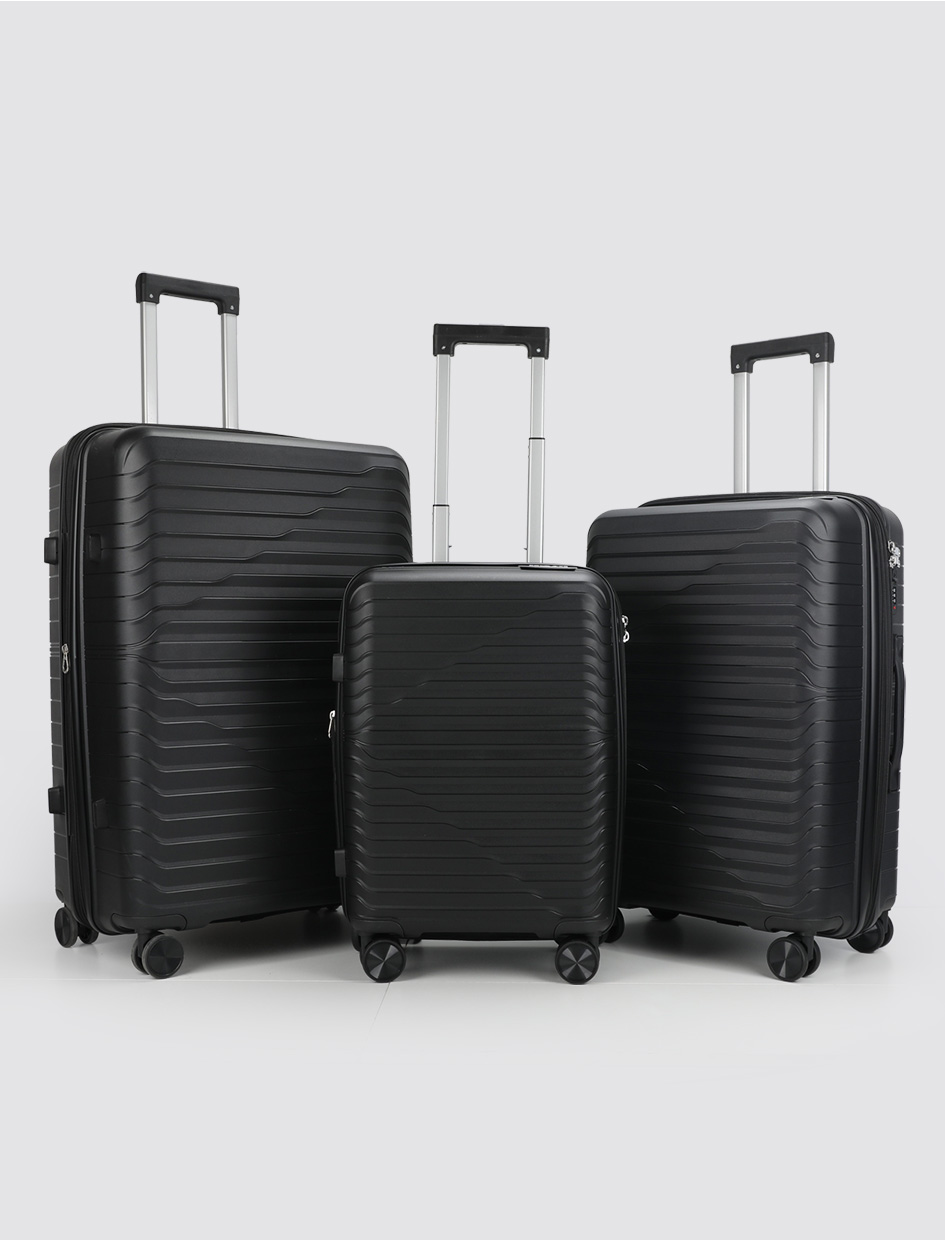
PP is a softer, more flexible shell material than polycarbonate or ABS. That flexibility is the point: a PP shell gives under impact and returns, where a stiffer shell can crack. It also takes a matte finish that hides scuffs better than a gloss surface, which matters on ranges that go through high-traffic retail.
Where PP fits in a range
PP usually sits below polycarbonate on price and above basic ABS on durability. It is the material buyers pick when the range has to survive rough handling at a competitive price, and when a scuff-resistant finish is part of the selling story.
Specifying with CLK
Tell us the size range, the price band and the finish you want. PP shells take the same wheel, trolley, lock and branding options as the rest of the range. MOQ is 200 pieces per model.
How PP shells behave, at a glance
PP is softer and more flexible than polycarbonate or ABS - that flexibility is the selling point, not a compromise.
| Dimension | PP shells |
| Behaviour under impact | Gives under impact and returns, where a stiffer shell can crack. |
| Surface finish | Takes a matte finish that hides scuffs better than a gloss surface. |
| Price position | Usually below polycarbonate and above basic ABS. |
| Best suited to | Ranges that have to survive rough handling at a competitive price, where a scuff-resistant finish is part of the story. |
PP shells take the same wheel, trolley, lock and branding options as the rest of the range. MOQ is 200 pieces per model.
Related reading: PC vs PP Luggage: Which Material Is Better for Your Market Positioning? · PC vs ABS vs PP Luggage Shells | Material Comparison - CLK · 2026 luggage sourcing guide comparing injection molding and extrusion blow molding. Learn wall thickness precision, molecular integrity, stress distribution and optimal use cases for premium suitcase shells.

About Our Products
-
Regularly Updated Designs
We introduce new styles and functional upgrades every season to keep your offerings fresh and competitive.
-
Rigorous Quality Control
Every suitcase is tested for durability, functionality, and finish to meet the highest industry standards.
-
Full Customization Support
Extensive ODM/OEM options for logo, colors, materials, and structures to create your unique brand identity.
-
Transparent Cooperation
Clear policies on MOQ, sampling, and lead time designed for smooth and successful partnerships.