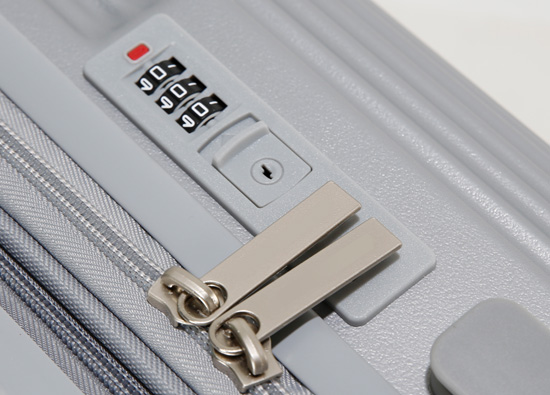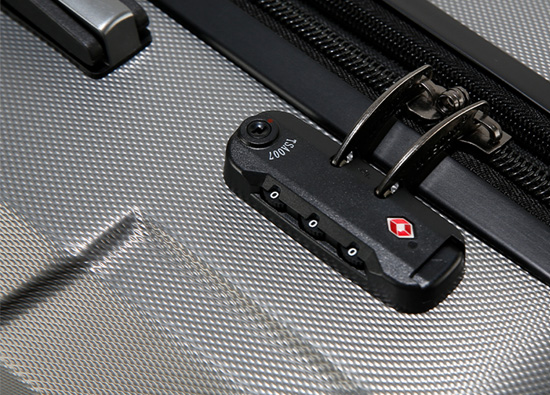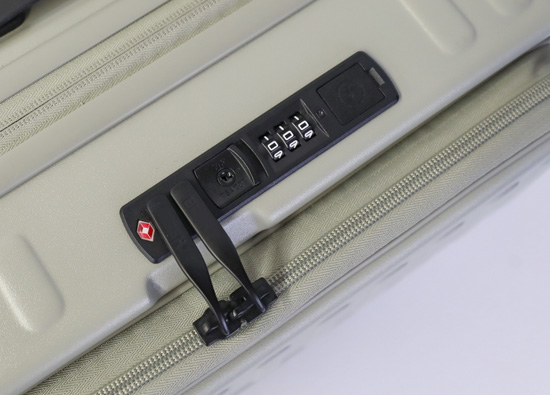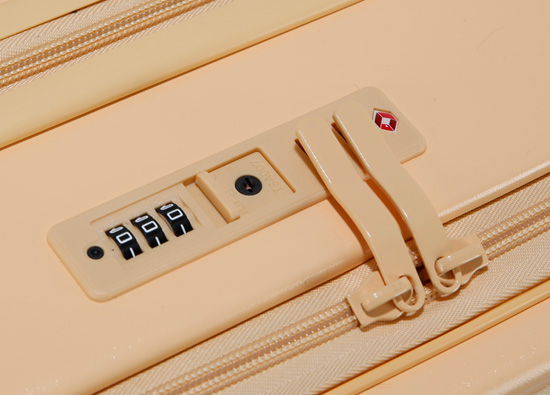
A lock is a mechanism and a compliance decision at the same time. TSA acceptance is a licence held by the lock maker, so an importer cannot self-declare it, and a "TSA-style" lock is a different product with a different risk.
Three things need to be settled before a sample is made and approved. The first is whether the destination market expects TSA acceptance or treats a padlock as enough. The second is whether the lock is built into the shell, and who supplies the replacement parts.
A built-in lock has to align with the shell opening, so the lock choice comes before the shell drawing is released rather than after.
Send the destination market and whether the case needs a built-in or an add-on lock. Those two answers set the shortlist, and the maker's approval number becomes the document to verify.