
Introduction: The Material Choice as a Business Strategy
In the ultra-competitive global luggage market of 2026, the material on your product's bill-of-materials (BOM) is more than a technical spec—it is a market positioning statement. For professional buyers and brand owners, choosing between Polycarbonate (PC) and Polypropylene (PP) is a strategic balancing act between durability, weight, and profit margin. As an industry expert with over 16 years of experience at Jiangxi Chengleke (CLK) Luggage, I have seen brands thrive by matching the right material to their customer's persona, and fail by miscalculating the environmental risks associated with low-grade plastics. This handbook is an altruistic guide to the technical properties and commercial implications of these two powerhouse materials.
Chapter 1: Polycarbonate (PC) – The King of Resilience
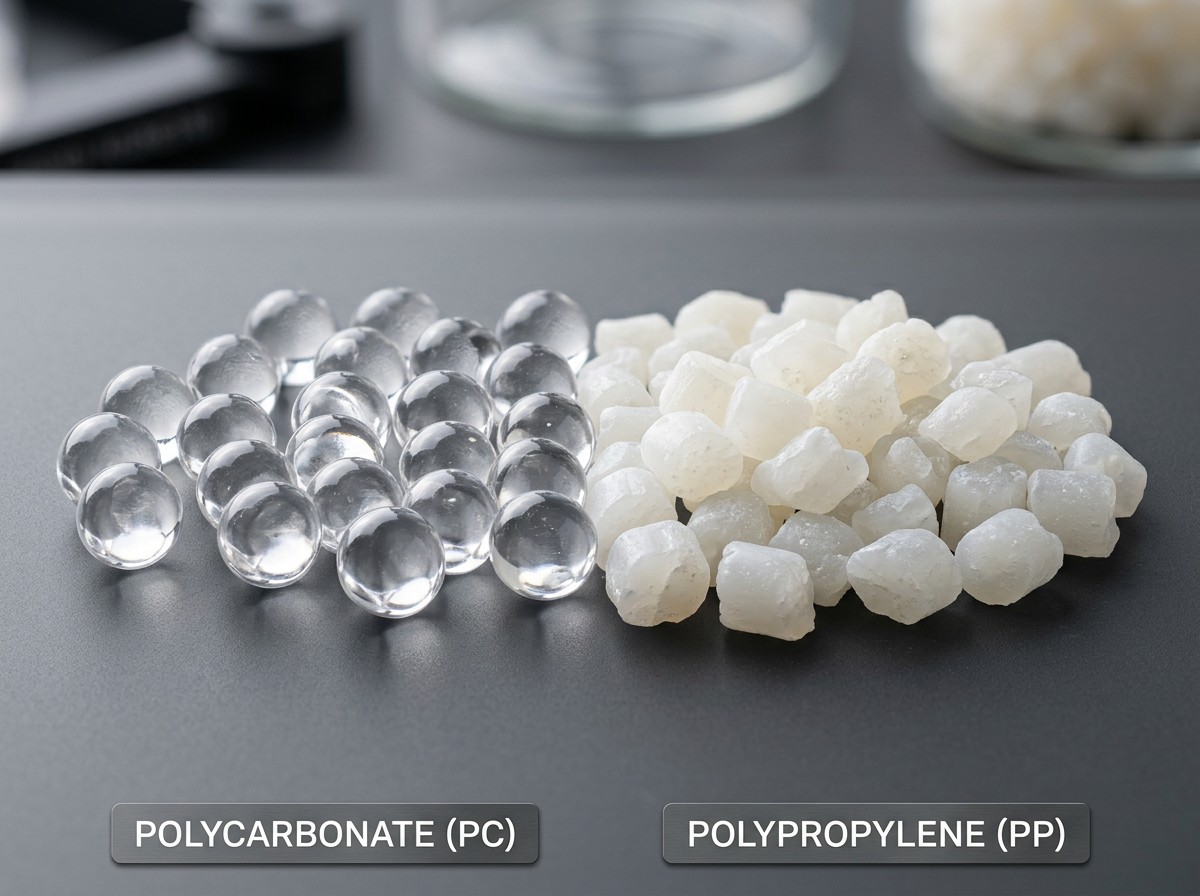
Polycarbonate is the gold standard for premium hard-shell luggage. Its molecular structure allows for what we call 'Molecular Memory'—the ability of the shell to flex under extreme pressure and return to its original shape without cracking. In 2026, the focus has shifted toward 100% virgin Bayer PC (Makrolon), which provides unparalleled clarity and impact resistance.
If your brand is targeting the high-end business traveler or the frequent flyer who demands a 'Lifetime Suitcase,' PC is your only option. It takes color and texture (like brushed metallic or high-gloss finishes) with a level of sophistication that PP cannot match. While the raw material cost is higher, the perceived retail value and significantly lower return rate justify the investment for premium positioning.
Chapter 2: Polypropylene (PP) – The Lightweight Disruptor

Once considered a budget material, Polypropylene (PP) has been reinvented by modern injection molding technology. PP is the lightest of all hard-shell plastics, making it the perfect choice for the 'Weight-Conscious' traveler. Brands targeting budget airlines (where every gram of carry-on weight counts) find PP to be a high-converting selling point.
PP shells are manufactured using high-pressure injection molding rather than the vacuum forming used for PC. This allows for integrated hinges and complex structural ribbing that provides rigidity. However, PP has a technical Achilles' heel: it can become brittle in extreme cold. If your target market is Northern Europe or Canada, you must ensure your factory uses high-grade impact modifiers in their PP blend. At CLK, we provide specialized PP solutions that maintain flexibility down to -15°C. To see the aesthetic variety of our PP and PC collections, you may browse our specialized product range.
Chapter 3: The Cold Chain Reality – Lab Testing Standards

Technical data beats marketing adjectives. At our Jiangxi facility, we subject both PC and PP prototypes to the 'Cold Corner Drop' test. A loaded suitcase is frozen to -20°C for 24 hours and then dropped from 1 meter. Virgin PC consistently passes this test with a 99% success rate, while standard PP requires technical additives to avoid shattering. Professional buyers should demand these lab reports before signing a mass-production contract. This commitment to 'Testing for the Real World' is what defines the CLK standard.
Conclusion: Sincerity in Material Selection
Choosing between PC and PP isn't about which material is 'Better'—it's about which material is 'Right' for your brand's promise. At Jiangxi Chengleke (CLK), we offer 16+ years of technical expertise and an agile 1-hour response service to help you make this critical decision. Ready to build a collection that survives the baggage carousel and thrives in the marketplace? Reach out to our expert sourcing team at www.clkluggage.com today.