A factory's certifications matter less than how it handles your first revision request—that is the real test of a reliable partner.
Certifications are table stakes: export licenses and ISO 9001 confirm the factory is real and organized, but they do not predict how it will behave when your sample has a problem. The reliable signals are behavioral—how fast it answers a technical question, whether it shows real production lines on video, whether it sends test reports with samples, and whether it accepts third-party inspection. A factory like CLK Luggage, with 16+ years in luggage manufacturing, a 98% qualification rate, and sub-hour responses to sourcing questions, treats those behaviors as normal practice rather than special favors.
Red Flags vs Green Flags
|
Signal |
Red Flag |
Green Flag |
|
Quote |
Single total only |
Itemized: shell, wheels, locks, lining |
|
Samples |
Delayed or refused |
Fast samples with test reports |
|
Factory tour |
Office or showroom only |
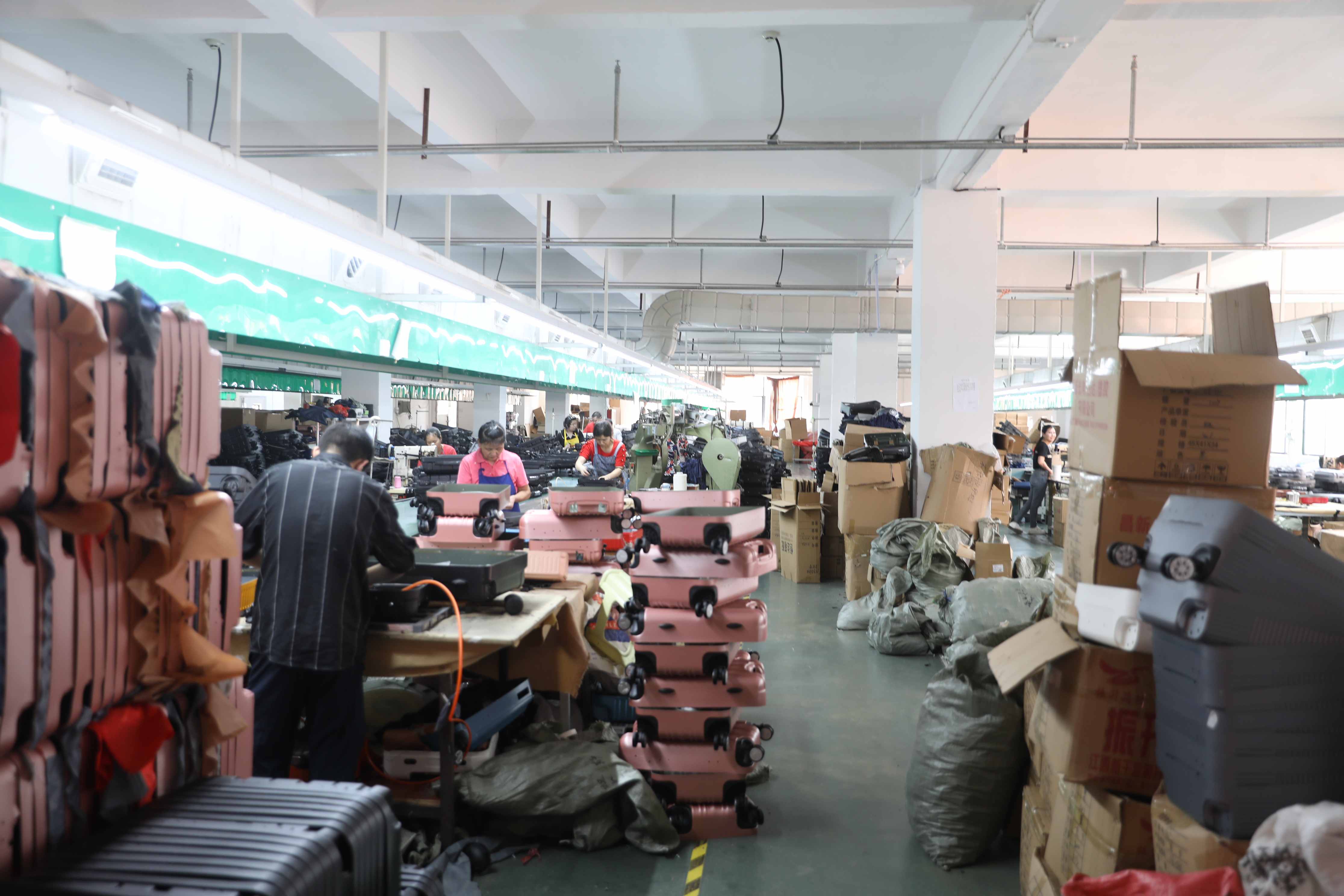
Real production lines on video |
|
Communication |
Replies measured in days |
Technical questions answered same day |
|
Payment |
100% upfront required |
30% deposit plus milestone payments |
|
After-sales |
Verbal promises |
Written warranty terms |
The 9-Point Due-Diligence Checklist
- Business license and export qualification.
- ISO 9001 or equivalent quality certification.
- Real production-line video or live tour.
- Client structure: do they serve brands in your market?
- Response time on a technical question—hours, not days.
- Sample quality and accompanying test reports.
- Third-party inspection availability (SGS, BV).
- Milestone-based payment terms.
- After-sales terms in writing, including warranty period.
What to Look For in a Video Factory Tour
Watch for actual production activity, not a showroom: injection machines running, workers at assembly stations, quality-check points, and finished-goods storage. Ask the camera to show the shell molding area and the final inspection table—those two stations tell you more about a luggage factory than any certificate. If the factory resists showing the line, treat that as a red flag.
Payment and Inspection Milestones
Standard practice is a 30% deposit with the balance due on production progress or after inspection. Third-party inspection on the first batch is cheap insurance: SGS or BV uses AQL sampling to verify quantity, workmanship, and key quality checks, and the report gives you leverage if something is wrong. Never pay 100% upfront on a first order.
After-Sales: The Contract Clause Most People Skip
Luggage defects usually surface weeks after shipment, when the product is already in customers' hands. A reliable factory backs its work with a written after-sales policy: warranty period, replacement parts, and a clear process for defects. CLK Luggage, for example, provides multi-year after-sales support on its orders—get the same commitment in writing before you sign, not after a problem appears.
FAQ
How do I check if a Chinese luggage factory is reliable?
Check export and business licenses, certifications, do a video tour of the production line, evaluate sample quality and response speed, ask for test reports, and use third-party inspection on the production batch. Payment should be milestone-based.
What should I look for in a factory video tour?
Real production activity: injection machines running, workers at assembly lines, quality-check stations, and finished-goods storage. A tour of only an office or showroom is not a production tour.
What payment terms are safe for a first order?
Milestone-based terms are standard: typically a 30% deposit with the balance due on production progress or after third-party inspection. Avoid 100% upfront, especially on a first order.
Should I use third-party inspection on my first batch?
Yes. SGS, BV, or similar agencies use AQL sampling to verify quantity, workmanship, and key checks. It costs a fraction of a bad batch and gives you an independent report.
How important is after-sales support in a factory contract?
Very important. Get the warranty period and defect process in writing before you order—a factory that refuses is telling you something.