
Introduction: Decoding the Unit Price Mirage
In the ultra-competitive 2026 luggage market, the single most dangerous mistake a professional buyer can make is equating 'Low Unit Price' with 'Low Cost.' Global trade is littered with stories of brands that sourced a $20 suitcase only to realize that after defect rates, delayed deliveries, and hidden tooling revisions, their Landed Cost had ballooned to $45. This guide is designed to provide you with the technical auditing tools needed to peel back the layers of a factory's quote and understand where every cent of your capital is invested.
Chapter 1: Raw Material Economics – The Shell Strategy
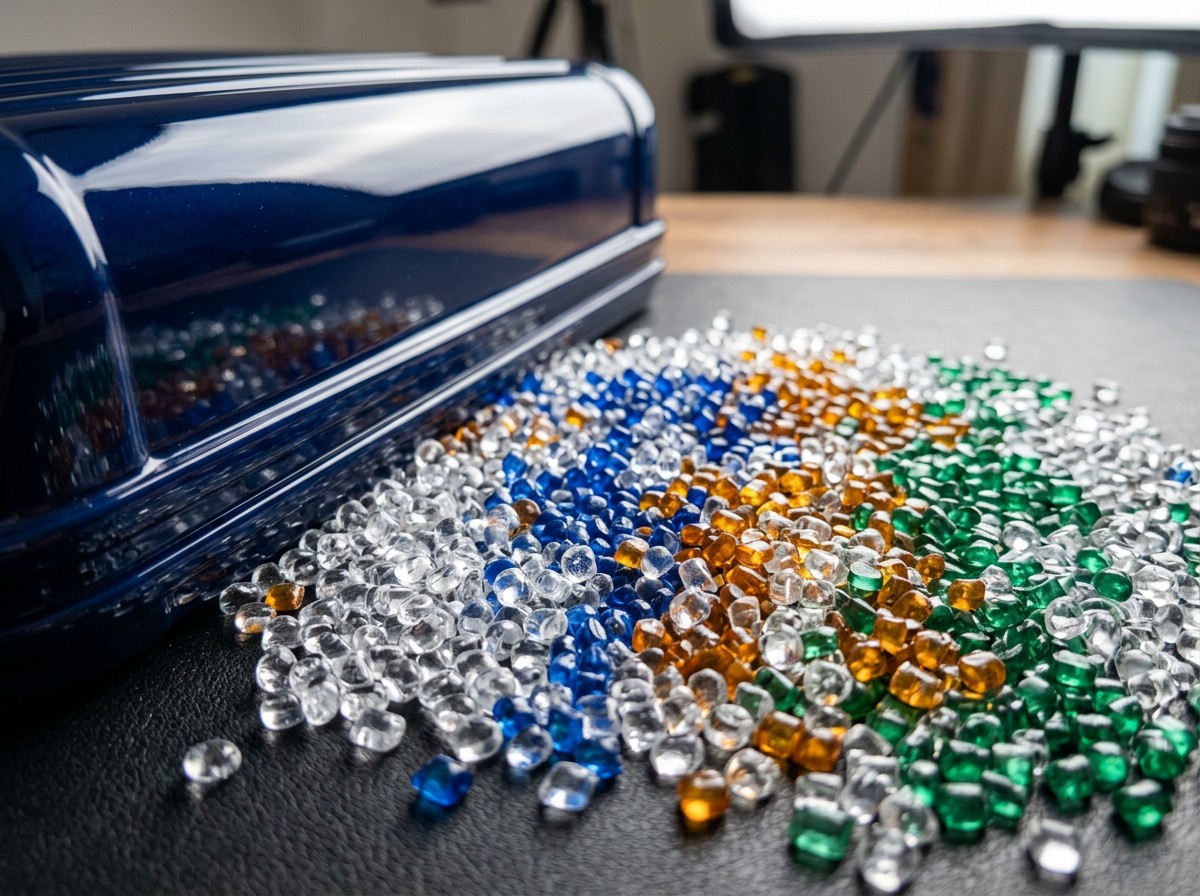
The shell of a suitcase accounts for roughly 45% of its bill-of-materials (BOM). In 2026, the material choice is no longer binary. It is a spectrum of performance vs. price:
• Bayer Polycarbonate (PC): The gold standard. Virgin PC from Bayer (Makrolon) costs approximately 20-30% more per ton than generic PC, but its impact resistance is 4x higher. For a brand owner, using Bayer PC means your suitcases won't crack in the -40°C temperature of an airplane cargo hold. This durability reduces your Amazon return rate from a category average of 5% down to under 1%.
• Polypropylene (PP): The favorite for mass-market retailers. PP is lightweight and chemically resilient, but it requires specialized injection molding machines. At CLK, we help brands choose the right PP grade to ensure that even at a lower price point, the structural integrity is maintained.
Chapter 2: The Mold Fee Deep-Dive – Fixed Asset vs. Expense
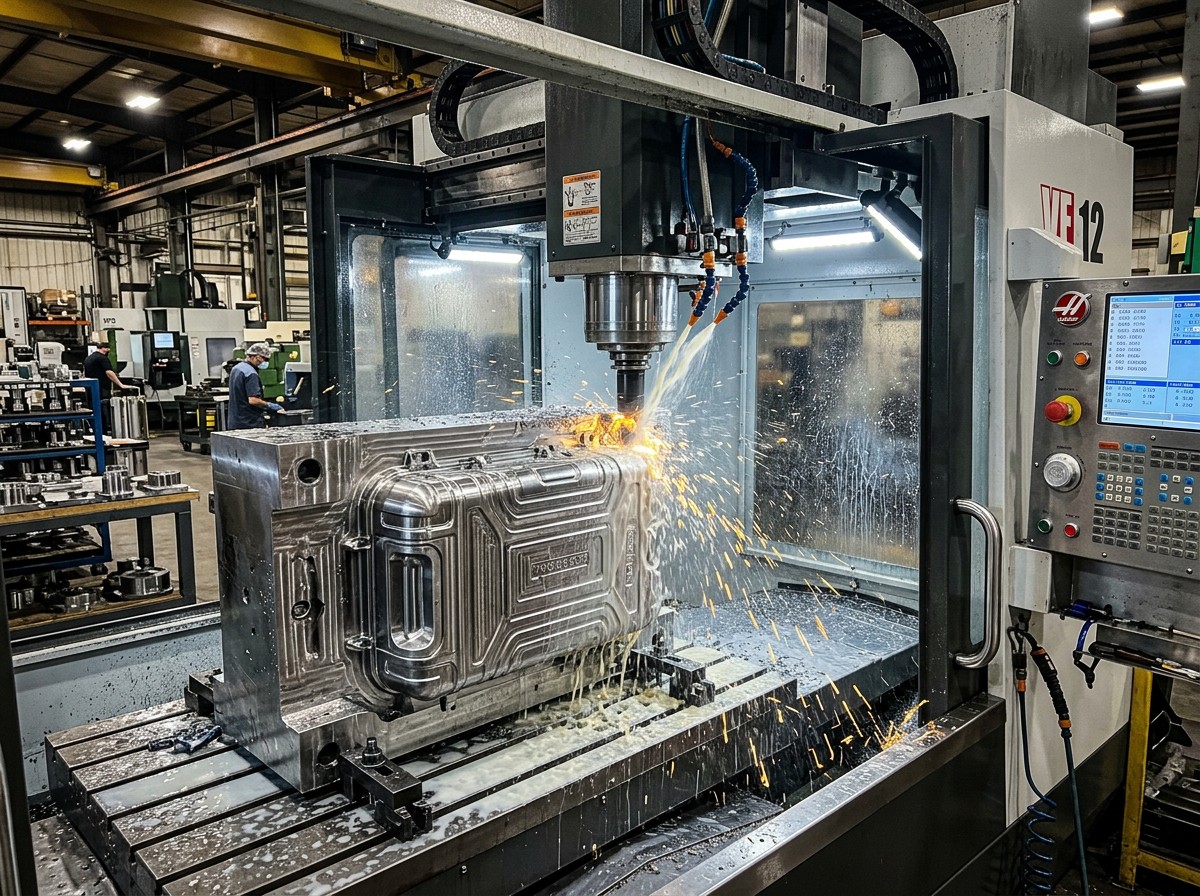
The 'Mold Fee' is the entry ticket for any OEM project. A professional buyer must ask: 'What grade of steel are we using?' A mold made of P20 steel is cheaper but may degrade after 20,000 units. A mold made of 718H or S136 stainless steel is a significant investment (often exceeding $15,000 per shell half) but guarantees perfect surface textures for over 100,000 units.
At CLK, we provide a detailed mold ownership contract. We believe that if you fund the tool, you own the asset. We simply provide the custodial care and maintenance to ensure every batch is as crisp as the first. If your budget is tight, we suggest our ODM path—utilizing our verified open molds while customizing the interior lining and hardware branding. To see the quality our current molds produce, you may explore our latest product collections.
Chapter 3: The Hardware Ladder – Components that Define the Brand
Hardware is where returns are born. A broken zipper or a snapped wheel is a brand-killer. Here is the technical cost hierarchy:
• Wheels: Dual-bearing TPU wheels with silent-run technology are roughly $0.80 - $1.50 more per unit than standard PVC wheels. For a B2B buyer, this 'Silent-Run' feature is the highest-converting selling point for premium business travelers.
• TSA Locks: Compliance is non-negotiable. Genuine TSA-approved locks (YiF or Safe Skies) protect your inventory from being forcefully opened by customs agents. The cost is marginal compared to the risk of a seized shipment.
Conclusion: The Sincerity of an Accurate Quote
Financial success in luggage manufacturing is about transparency. At Jiangxi Chengleke (CLK), we don't just provide quotes; we provide supply chain intelligence. With over 16 years of expertise and an agile response time of under 1 hour, we are ready to build a financially robust roadmap for your next project. Ready to talk real numbers? Reach out to our technical sourcing specialists at www.clkluggage.com today.