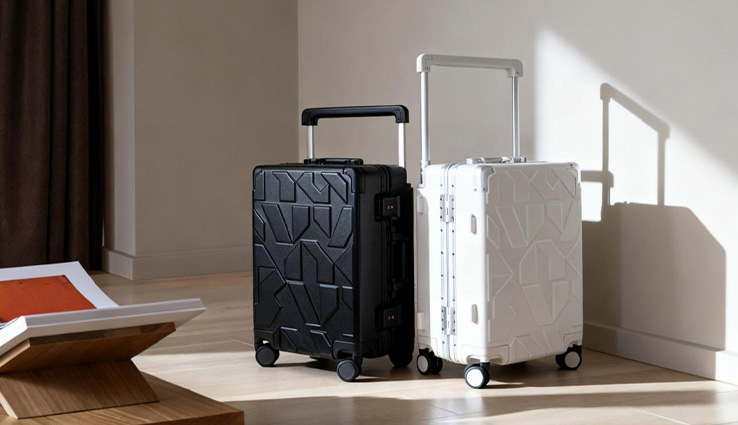
Brand-Exclusive Pattern Custom Molding Case for Luggage Panels
Proje ct Background
The customer hopes to showcase their brand uniqueness and differentiation through customized luggage panel design. Our team is responsible for providing technical support and production implementation throughout the entire process from design feasibility verification to mold sampling.
Customization process
-

Requirements
Communication -

Design And
Proofing -

Sample
Proceeding -

Confirmation
And Production -

Quality Inspection
And Packaging -

Logistics
Arrangement
Communication Process
Presentation Stage: Building Trust
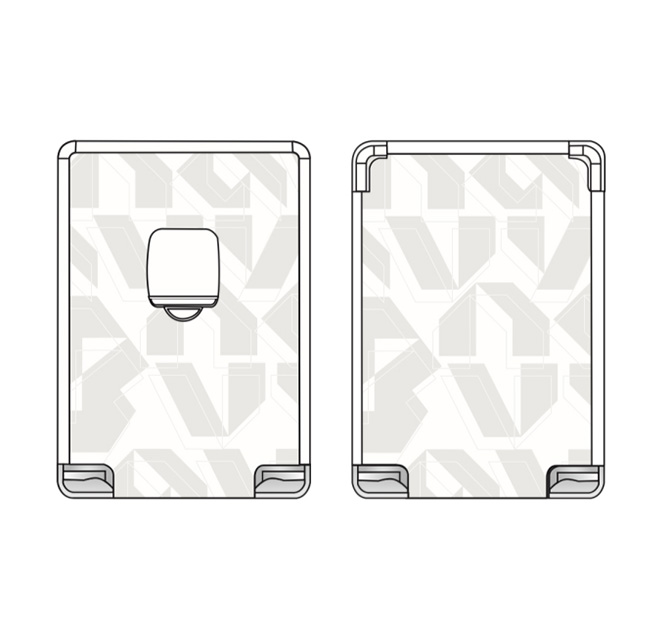
At the beginning of the project, we proactively sent a grinding tool structure diagram to the client, with the aim of visually demonstrating our professional capabilities in mold design and customized production. The grinding tool diagram provides detailed annotations of the structure, parting lines, surface texture, and adjustable areas of the luggage compartment panel, allowing customers to clearly understand our design depth and process accuracy.
After receiving the drawings, the customer expressed recognition of our professional level. They specifically pointed out, "Your drawing details are very clear, indicating that you have rich experience in mold design This feedback has clarified the customer's trust foundation and established a positive atmosphere for future communication.
Requirement Communication: Clarify Goals
After a preliminary understanding of our customization capabilities, the client immediately sent their own pattern files and put forward specific requirements: I hope to add brand exclusive patterns to the front panel of the luggage, and enhance visual recognition through local relief and surface texture processing.
The core demand of the customer is to highlight the brand logo without affecting the overall strength and durability of the box. In response to this demand, our project manager immediately organized the design and technical teams to conduct feasibility assessments and maintained daily communication with the client.
In multiple rounds of discussion, we focused on confirming three key points:
·The height to depth ratio of pattern relief;
·Compatibility between surface texture and original materials; ·Scope of mold modification and cost control.
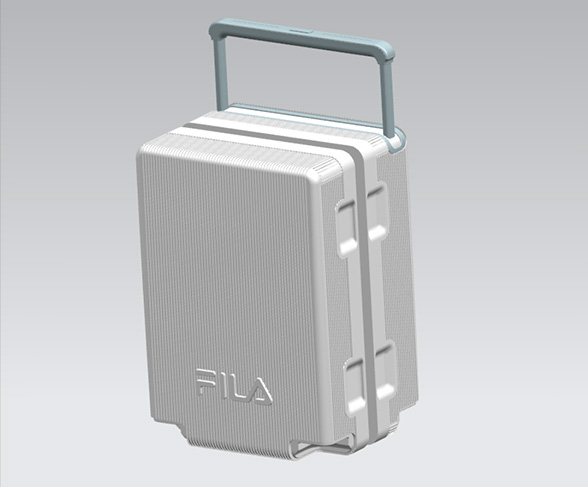
Technical Solution Presentation: Establishing Consensus Through Renderings
After the requirements were determined, our technicians conducted 3D modeling based on the pattern files provided by the customer and drew a brand new mold design. In order to provide customers with a more intuitive understanding of the design effect, we have generated multi angle 3D renderings to simulate the real visual effect of the pattern on the luggage compartment panel.

During the meeting, we explained to the clients one by one through screen sharing:
·The height to depth ratio of pattern relief;
·Compatibility between surface texture and original materials;
·Scope of mold modification and cost control.
The customer was very satisfied after seeing the 3D effect and provided a few suggestions for modifying details, such as adding a shallow concave line around the brand logo to enhance its three-dimensional effect. Our technicians completed the modifications on the same day and sent the updated rendering again. After confirmation, the customer said, "This is the feeling we want
Confirmation And Sampling: Implementing Cooperation
After the final confirmation of the drawings, the customer quickly issued the mold opening instruction and paid the sampling fee. We immediately initiated the mold production process and strictly followed the sampling standards to monitor the mold accuracy, surface treatment, and pattern restoration throughout the entire process.
After the sample was completed, we took multi angle physical photos and short videos and sent them to the customer for review. The customer confirmed that the sample is consistent with the 3D effect and expressed satisfaction, saying, "This cooperation has given us great peace of mind
The project has smoothly entered the mass production stage.

FAQ
Common Questions from Global Clients
Follow Us
Get exclusive behind-the-scenes access to our factory floor, see how our luggage is made, and follow along at industry trade shows.